Match the method to the construction
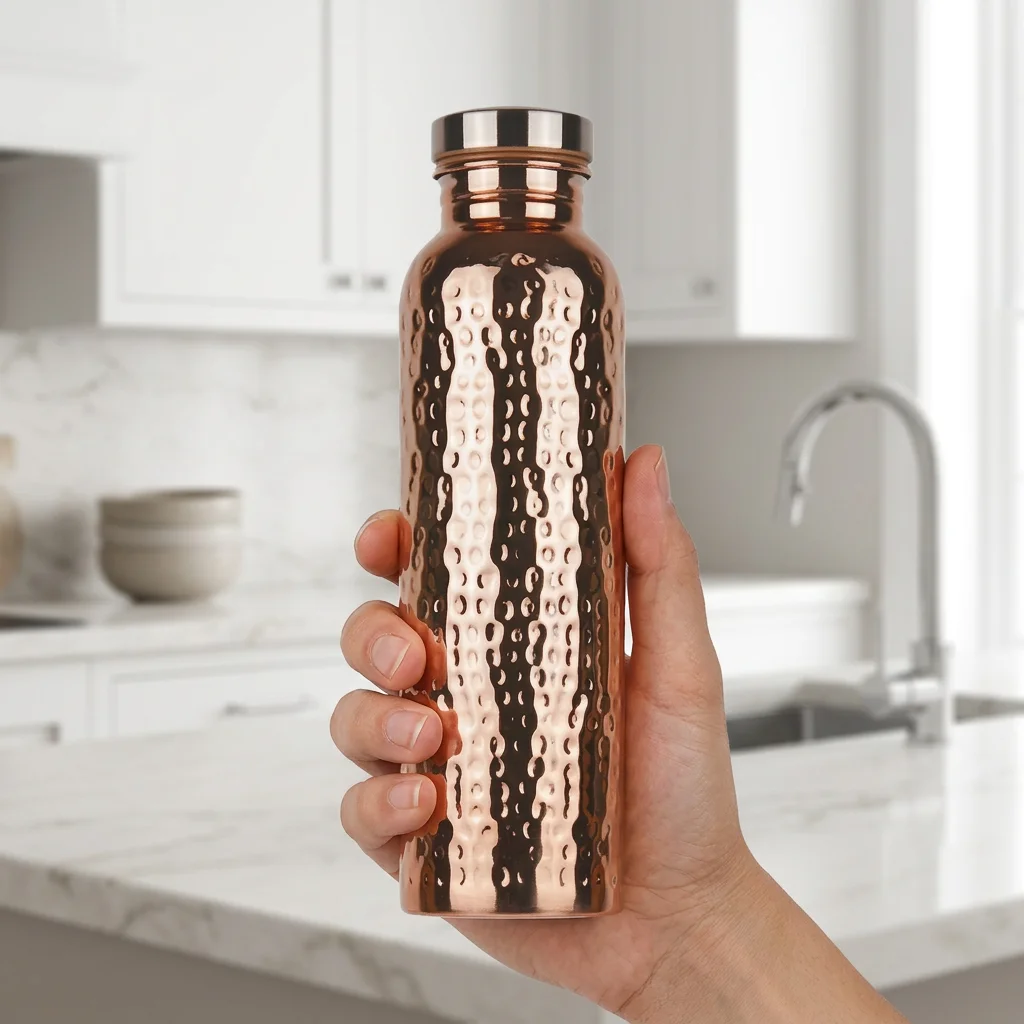
Copper bottle cleaning advice often assumes copper, but that is not the right starting point for every copper-coloured vessel. Puura 800 has a copper-plated exterior and a body made for everyday refills. Care should follow that construction rather than a recipe chosen because the exterior looks similar to an uncoated copper pan or decorative object.
The central rule is gentle hand washing. Do not polish Puura’s plated finish with lemon and salt, and do not transfer vinegar-based copper methods to it. Avoid abrasive powders, wire wool and metal scourers. The aim is to remove everyday residue without unnecessarily working away at the finish. If you also own copper pieces, keep their care instructions separate so their methods do not become your default for this bottle.
“Copper bottle cleaning advice often assumes copper, but that is not the right starting point for every copper-coloured vessel.”
Set up a simple washing routine
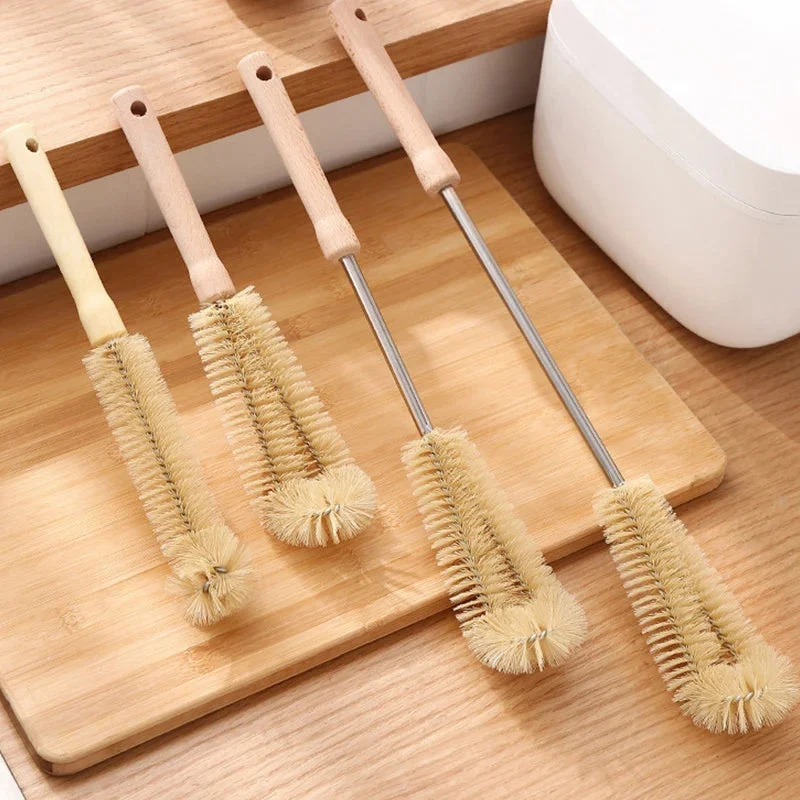
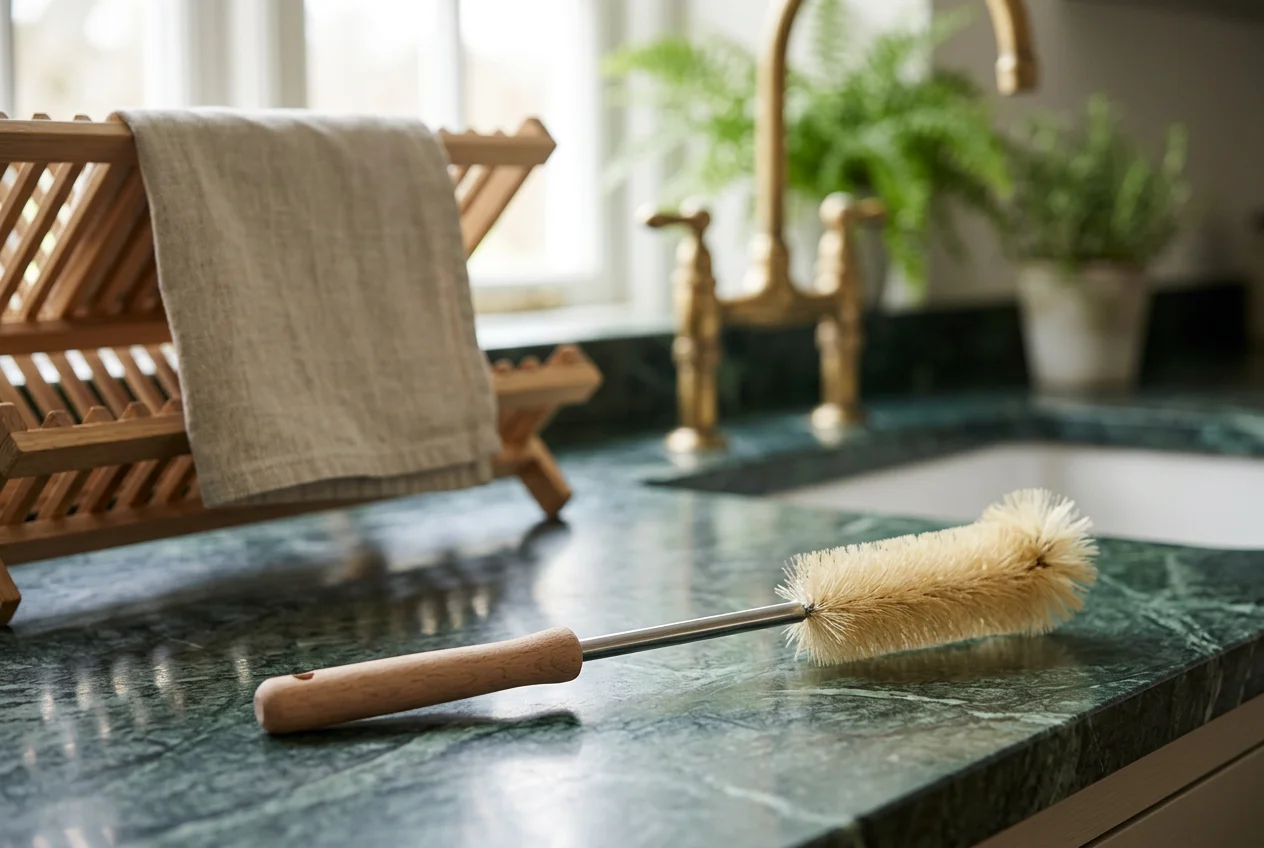
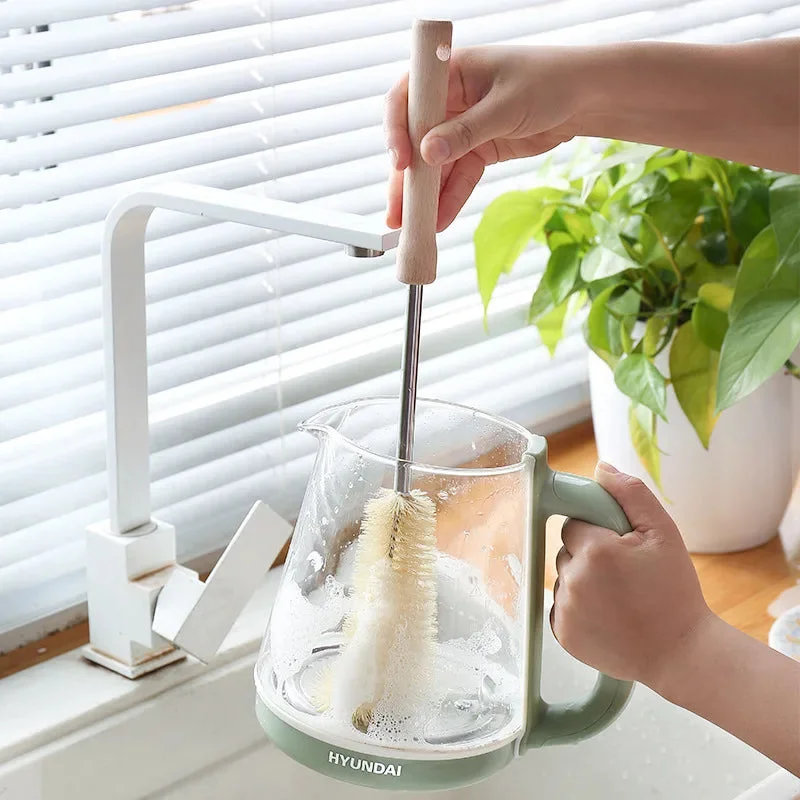
Empty the bottle and use warm water with a little mild washing-up liquid. Wash gently with a soft cloth or a suitable non-abrasive tool, then rinse thoroughly until no soap remains. Choose a tool that reaches comfortably without forcing it against the neck or drinking edge. A cleaning brush is not a confirmed inclusion, so check the product contents before assuming one will arrive.
Clean the accessible surfaces of the lid and threads as well as the main vessel. Work around visible recesses gently rather than using a sharp implement to dig into them. Do not force apart a seal or closure component unless the instructions expressly allow removal. If a part seems loose, distorted or difficult to clean, ask for advice rather than improvising a repair or continuing to use a damaged closure.
Give drying its own place in the routine
Wipe the outside with a soft cloth after rinsing and leave the bottle open to dry fully inside. Keep the lid separate while it dries. Choose a stable, ventilated spot where the open bottle cannot easily be knocked into a sink or onto the floor. Do not put it straight into a closed bag while moisture remains inside.
When the bottle will not be used for a while, store it clean, empty and open. This makes the next inspection straightforward and avoids trapping residual moisture under the lid. If you are packing for a trip, allow drying time beforehand rather than closing it immediately after a hurried rinse. A consistent washing and drying sequence is easier to maintain than occasional intensive cleaning.
Avoid the dishwasher and unsuitable contents
Puura 800 is hand wash only. Do not put either the bottle into a dishwasher cycle or assume a gentle setting makes machine washing acceptable. Heat, detergents and the overall wash process are not the recommended care method for its finish. Follow the product’s own instructions even if another steel bottle in your household allows machine cleaning.
The bottle is for plain still water only. Do not use fizzy drinks, juice, milk or hot drinks, and do not use acidic drinks as an informal cleaning treatment. If your day requires other beverages, use an appropriate separate container. Keeping the contents within the stated use helps prevent a cleaning problem that began with using the wrong vessel for the drink.
Distinguish finish changes from warning signs
The exterior copper finish may change tone over time. Ordinary patina and normal finish wear are different from a manufacturing fault. You do not have to chase every exterior variation with polishing. If a pristine surface is your preference, remember that stronger cleaning is not a reliable way to preserve a plated finish.
Unusual deposits, excessive corrosion, an unexpected taste or damage around the opening deserve a different response: stop using the bottle and contact the seller. Explain the location of the issue, what the bottle has contained and which cleaning products have been used. This gives support a clearer starting point than trying several unapproved remedies first. Check the current policy details for manufacturing-fault support and its limits.