Reusable describes a routine, not a material
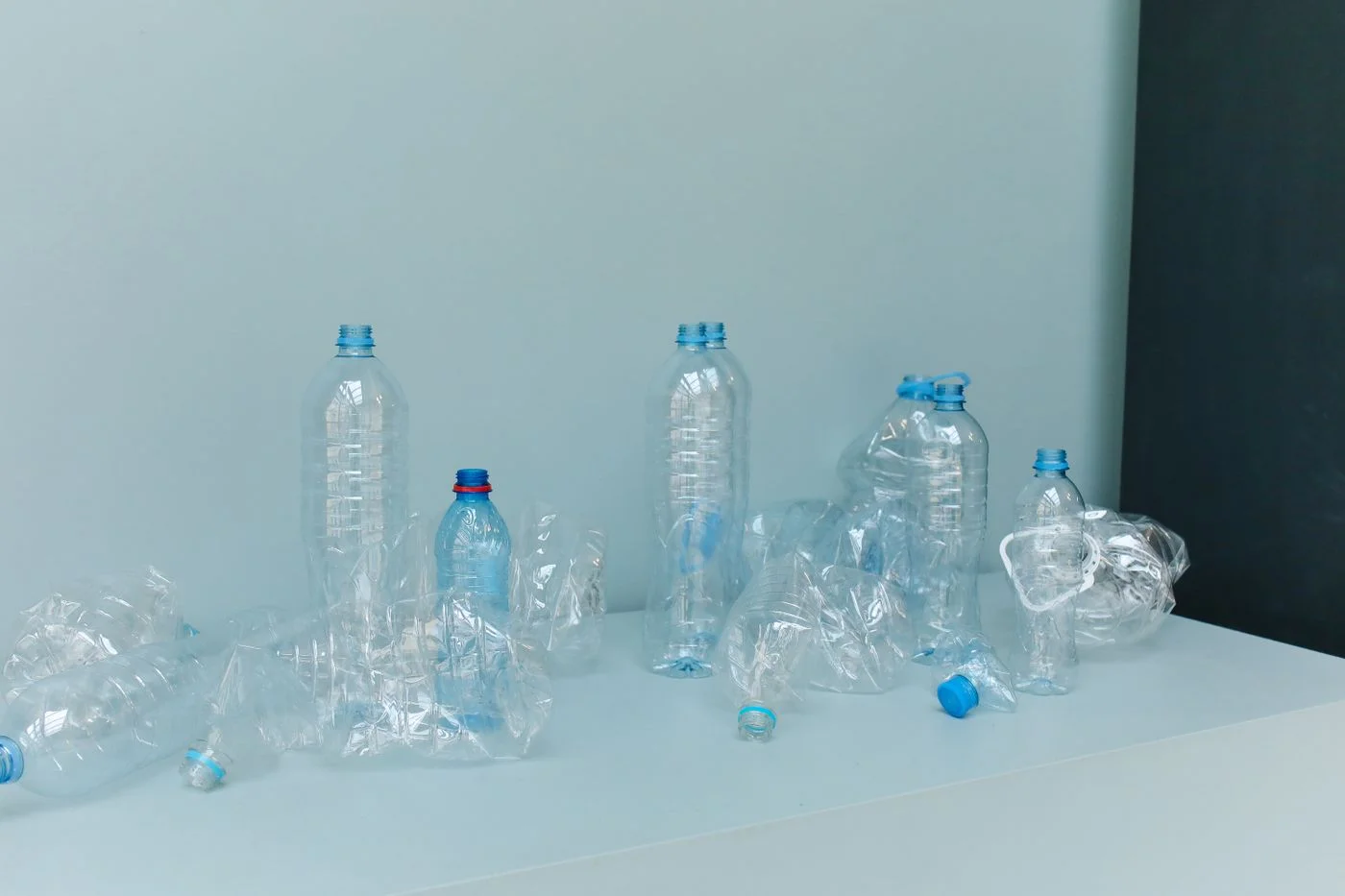
Reusable versus plastic is not a clean material comparison. A bottle designed for repeated use can itself be plastic, while a single-use bottle describes a pattern of use rather than every possible property of its material. A more useful question is whether you want to carry and maintain a refillable bottle instead of repeatedly buying packaged water.
Begin with what you already own. If you have a bottle that is suitable for your drinks, easy to clean and convenient to carry, using it may be all the change you need. Buying another object is not automatically an improvement. A new bottle earns its place when it solves a real difficulty, such as an unsuitable size, a damaged closure or a routine that your existing bottle cannot support.
“Reusable versus plastic is not a clean material comparison.”
Make refill access the first test
A refillable bottle is most useful when you can fill it where you spend time. Identify a suitable water source at home and check what is available at work, at your destination or along your regular route. Do not assume every venue offers refills or that an unfamiliar supply is suitable to drink. Follow local water guidance and any notices at the source.
Build the habit around a point you already remember: packing your bag, clearing the kitchen or leaving your desk. Put the clean, dry bottle beside something you take with you. If you often forget it, solve the placement problem before choosing extra accessories. A simple routine that works on ordinary mornings matters more than a perfect plan that depends on extra preparation.
Account for cleaning and carrying
A refillable bottle needs a place in your bag and a cleaning routine at home. Consider its usable capacity, filled carrying load, opening and closure. Compare the dimensions with your bag rather than choosing solely by appearance. If you rarely have time to hand wash, select a bottle whose own instructions permit your preferred cleaning method.
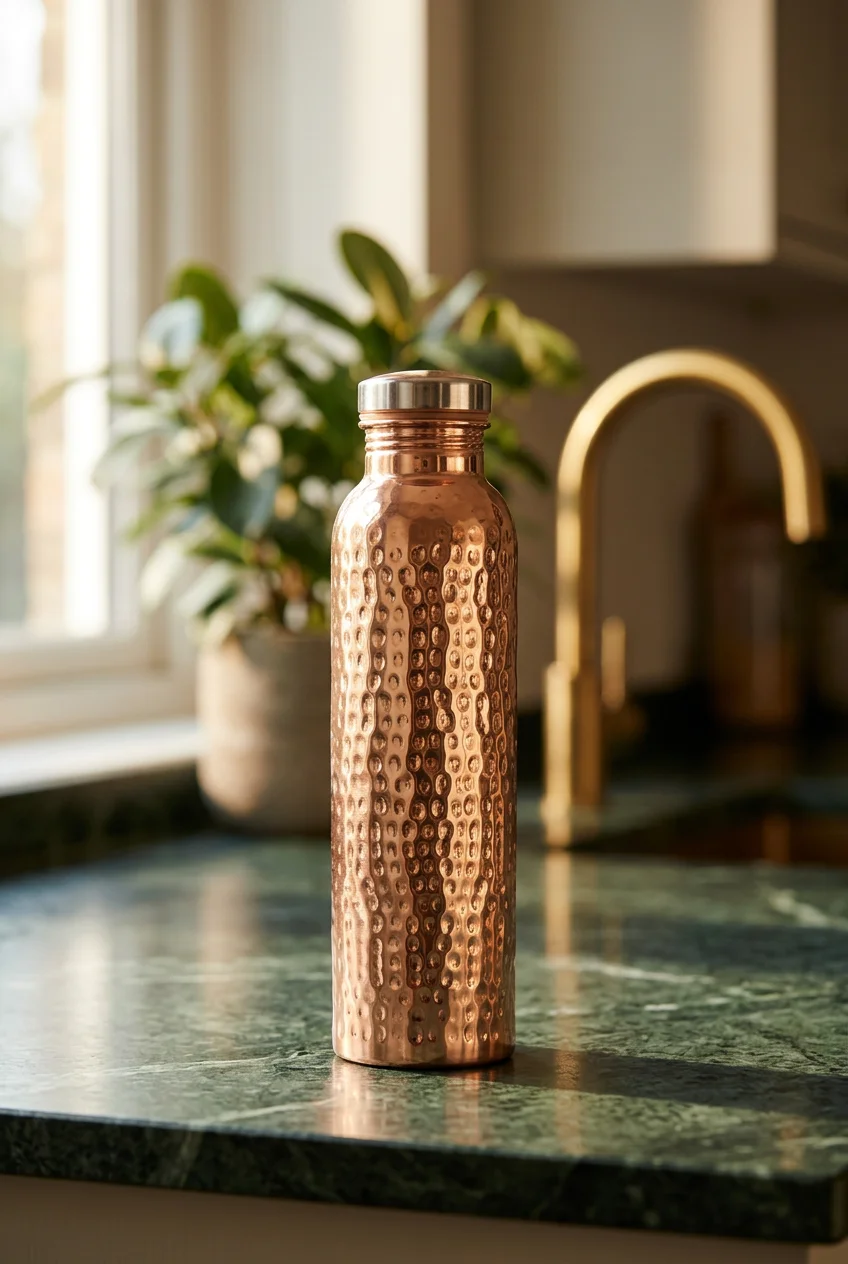
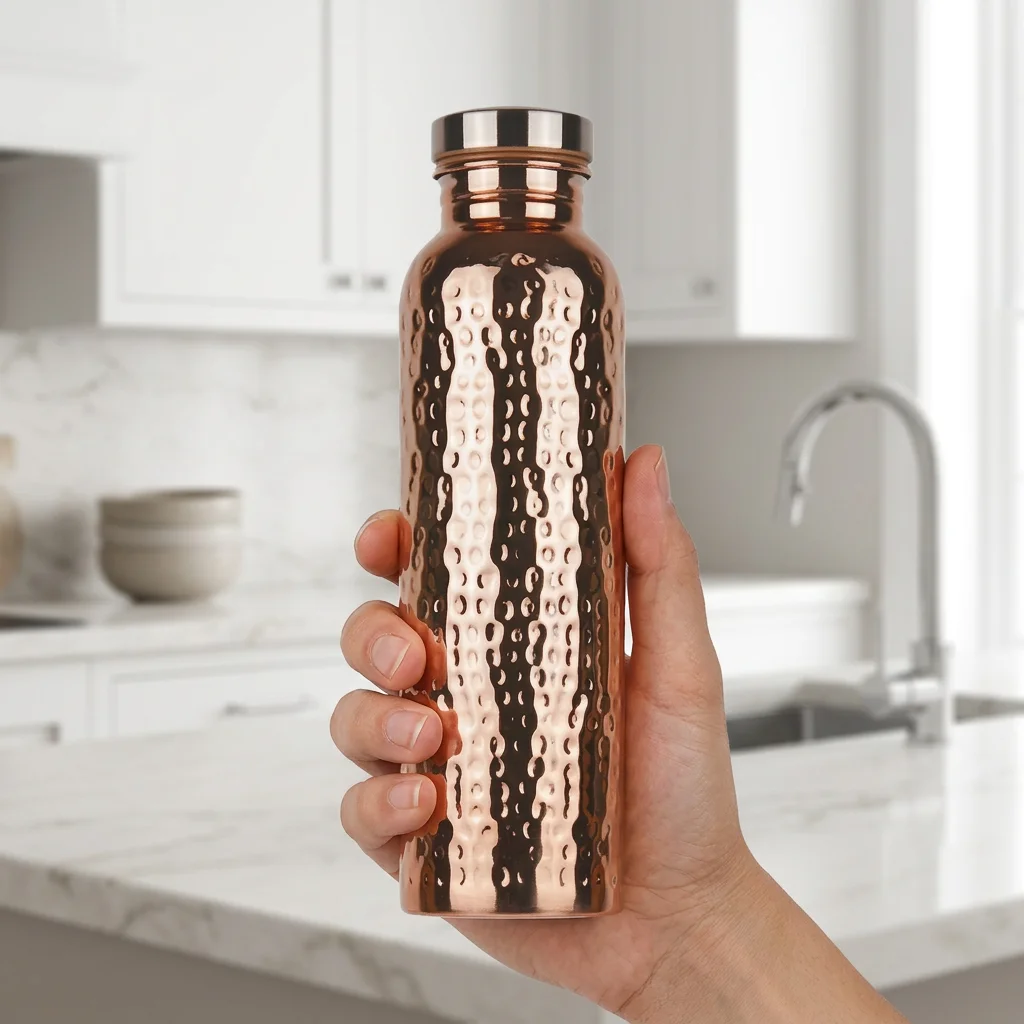
Puura 800 holds 800ml and measures approximately 26.8cm by 7.2cm. It combines a hand-hammered copper-finish exterior with a body made for everyday refills and has a secure stainless steel lid. It is not insulated, and it needs hand washing. Choose it only if plain still water and gentle cleaning fit the routine you are trying to establish.
Use your own purchases to assess cost
Whether a refillable bottle changes your spending depends on what you actually buy and how regularly you replace those purchases with refills. Look at your own receipts or recent habits instead of borrowing a headline saving. Include days when you already drink at home, days away from work and occasions when you would buy another drink regardless of carrying water.
Compare the current purchase price with the bottled-water purchases you realistically expect to avoid. Treat the result as a planning estimate, not a guaranteed repayment date. If you already own a serviceable bottle, include that option in your decision. There is no need to invent a national average or a precise annual total to decide whether carrying water is convenient for you.
Keep claims narrower than intentions
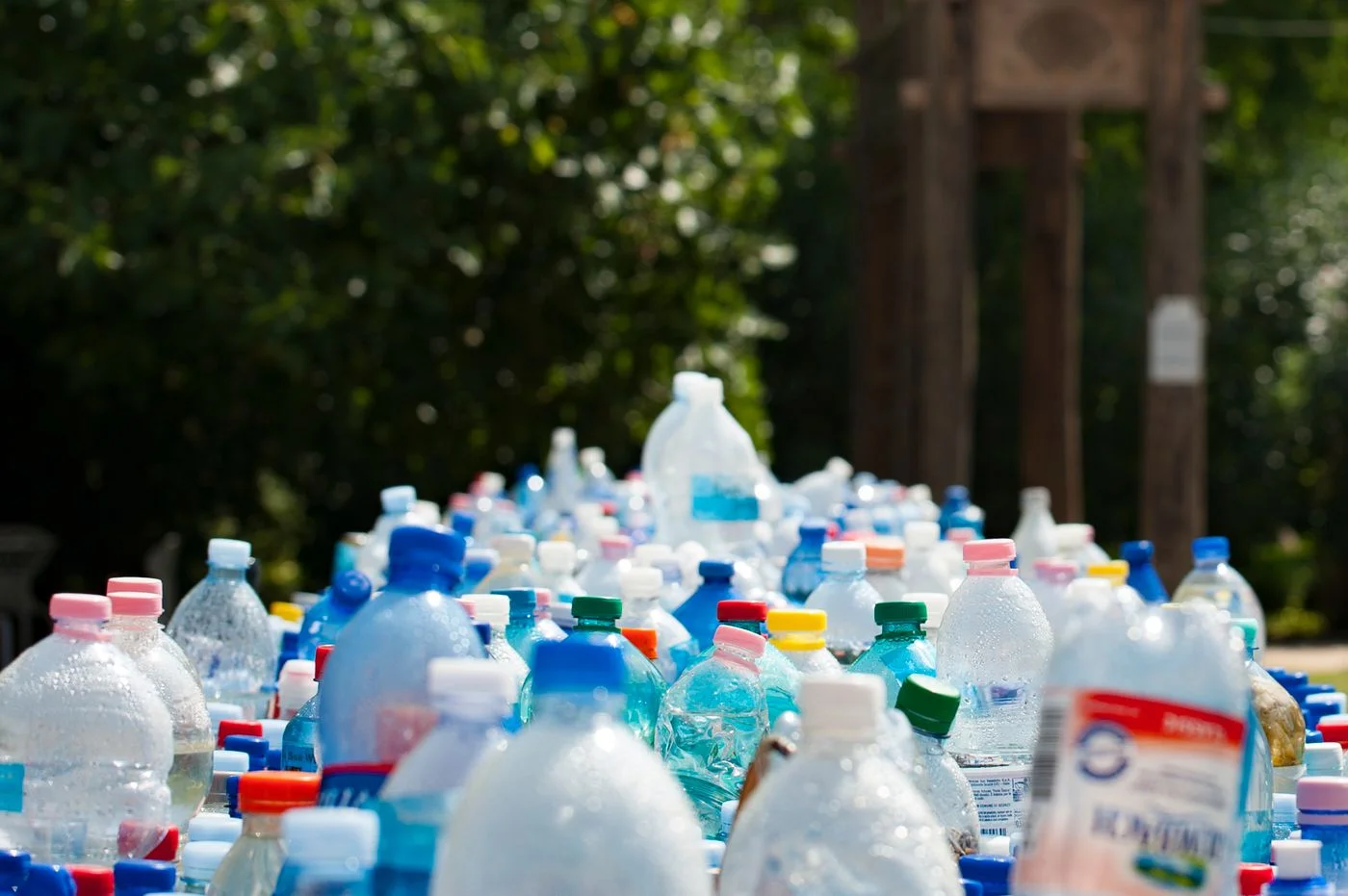
It is reasonable to aim to buy fewer single-use bottles. That intention does not establish a complete environmental comparison between products. Manufacturing, transport, repeated use, cleaning and disposal all belong in such an assessment, and a material label alone does not settle the outcome. Avoid treating the purchase of any reusable bottle as proof of a universal environmental advantage.
Likewise, a body with no plastic liner is a specific construction detail, not a measurement of water contents or a description of every component. Puura’s cap may contain a seal. If you are researching particles in water, read the relevant studies and their limitations separately from the shopping decision. You do not need a claim about exposure to make a practical choice about carrying, refilling and maintaining a bottle.