1. Find the awkward moment before adding a reminder
A drink more water routine is easiest to design when you know what currently gets in the way. Think through an ordinary day without judging it. Perhaps your bottle stays in your work bag, the kitchen is on another floor or you leave home before anything is washed. Each problem needs a different adjustment. Another phone notification will not solve a bottle that is still drying when you need to leave.
Choose a practical aim rather than a drinking target. You might want water available while working, a filled bottle ready for a journey or a less rushed washing routine in the evening. Those are arrangements you can change directly. They do not require measuring every sip, completing a bottle by a deadline or comparing your day with someone else’s.
Use the container you already like if it is suitable and serviceable. Buying a new bottle can be enjoyable, but ownership is not the routine itself. Test the arrangement with existing equipment first. You will learn whether the real issue is carrying comfort, access to refills, cleaning or simply where you put the bottle.
“A drink more water routine is easiest to design when you know what currently gets in the way.”
2. Attach preparation to something already happening
Pick a familiar event that naturally brings you near the sink. After clearing breakfast, you could rinse and fill the bottle for the journey. While packing tomorrow’s bag, you could check that the bottle is clean and ready. Make the cue specific enough to recognise, but do not turn it into a requirement to drink a set amount whenever that event occurs.
Keep the sequence short: find the clean bottle, fill it appropriately, close the cap and put it where it will be noticed. Store the brush and washing-up liquid conveniently so preparation does not begin with a search. If the bottle needs more involved cleaning, give that task its own place in the day rather than rushing through it immediately before leaving.
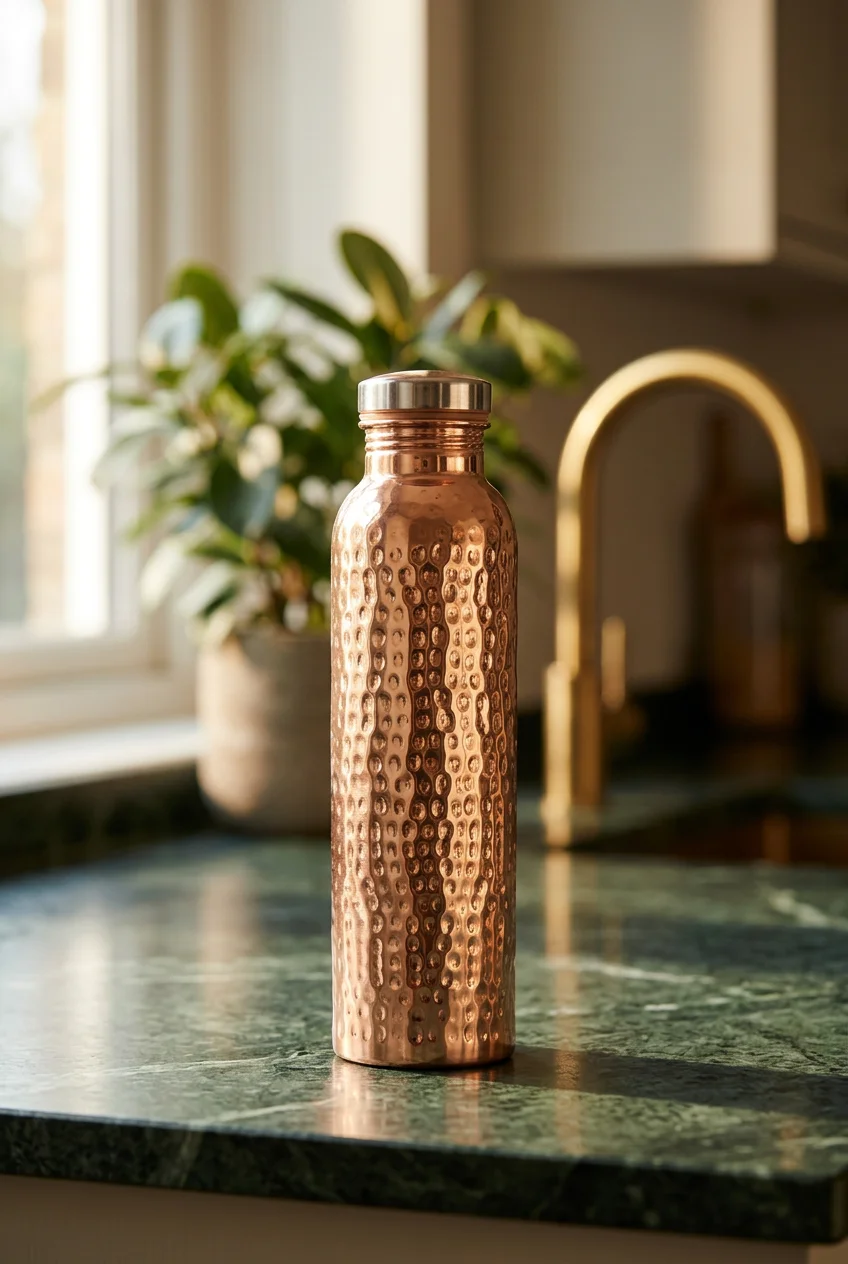
For Puura, use plain still water only and hand wash the bottle. Do not add lemon, juice, milk or fizzy drinks to make the routine more interesting, and do not use it for hot drinks. If another kind of drink is central to your plans, choose a different container specifically approved for it. The habit should fit the equipment’s intended use.
3. Make water accessible without creating desk clutter
Give the bottle a visible, stable place within comfortable reach, away from electrical equipment and the edge of the desk. A bottle hidden behind a monitor is easy to overlook, while one blocking your keyboard soon becomes annoying. At home, a suitable glass beside your usual seat may be more convenient than carrying a bottle between rooms. Choose the arrangement that helps rather than the one that looks most organised.
For travel, check that the bottle fits the bag pocket and closes correctly before packing it. Think about where refilling is realistic along your usual route. Do not depend on an unfamiliar venue offering water when you have not checked. Equally, there is no need to carry an oversized bottle simply because a larger capacity sounds more committed.
Temperature preferences matter too. Puura is not insulated, so its contents change temperature with the surroundings. If you want water kept cold during a long outing, a suitable vacuum-insulated bottle is a better tool. Matching the bottle to the day removes an avoidable frustration; it is not a contest between materials or a reason to discard a working alternative.
4. Plan a smaller version for disrupted days
A useful routine includes a version for mornings that do not go to plan. If the bottle is still drying, use a clean glass at home and prepare the bottle later. If you forget it, resume at the next convenient opportunity instead of treating the day as spoiled. The point is to make water easier to access, not to protect an unbroken record.
Identify the disruption that happens most often and solve that one first. A bottle left at work might need a place in your departure checklist. An empty bottle carried around all day might need a refill cue beside an existing break. A heavy bag might call for a different carrying arrangement. Add equipment only when it addresses a recurring problem that cannot be solved more simply.
Keep reminders proportionate. A note near your keys can prompt preparation; a calendar entry can prompt washing before a busy trip. If repeated alerts become irritating, remove them and change the physical setup instead. You do not need an app, marked bottle, reward chart or public challenge to make a modest routine work. Those tools are optional, not evidence that you are doing it properly.
5. Review convenience, then keep what works
After trying the arrangement across your usual kinds of day, ask practical questions. Was the bottle clean when needed? Did it travel comfortably? Could you refill where expected? Did you leave it somewhere inconvenient? These observations tell you what to adjust without turning drinking into a score. Make a small change to the obstacle you actually encountered rather than redesigning everything at once.
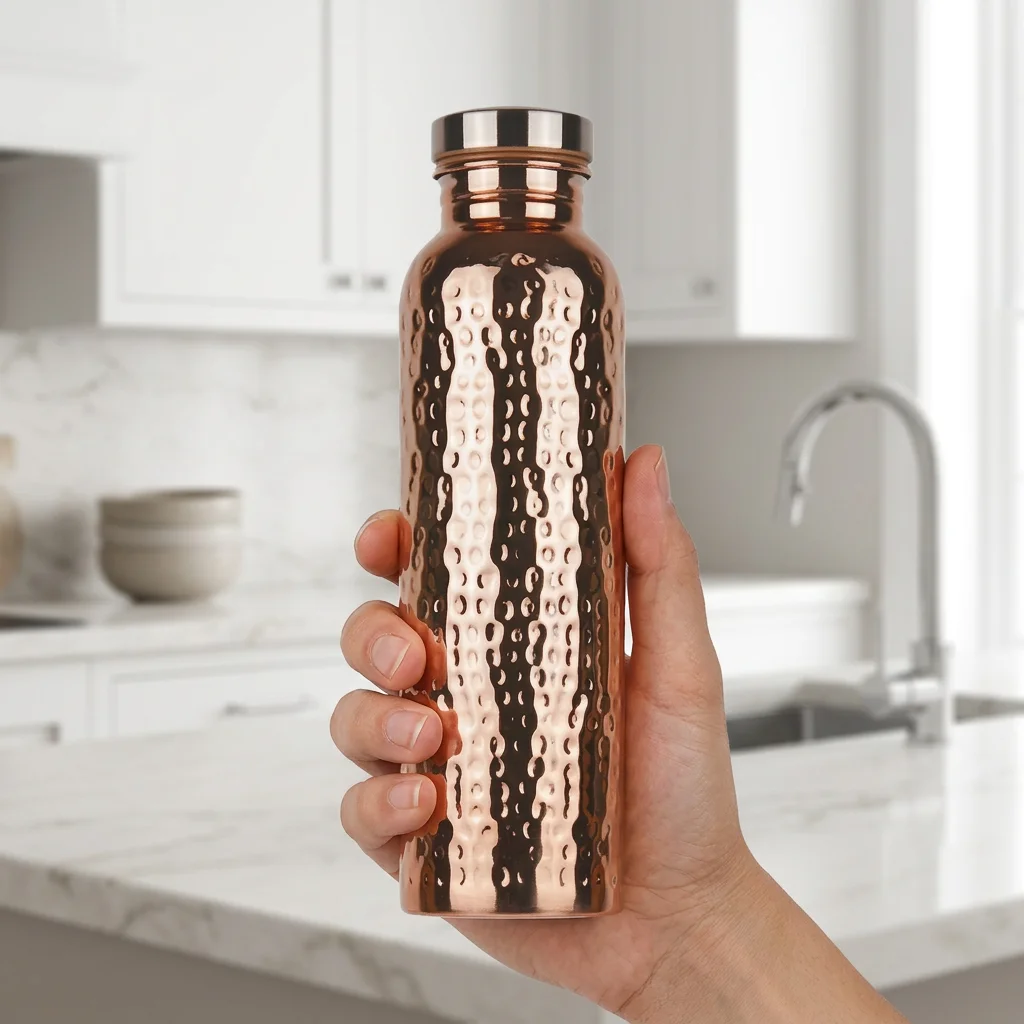
Include the end of the day. Empty the bottle, wash as directed, rinse thoroughly and leave it open to dry. Keep the cap somewhere it will not disappear among other washing-up. For a copper bottle, avoid the dishwasher and abrasive tools. Occasional polishing is separate from routine cleaning, so you do not need to restore a bright finish before the bottle can be part of tomorrow’s plans.
A successful routine may look uneventful: a clean container, a convenient place and a familiar opportunity to refill. Keep it flexible as your schedule changes. If you have individual instructions about drinking, follow those rather than a general habit article. This guide is about organisation and convenience; it does not set an intake target or promise a particular outcome from drinking more.
Frequently asked questions
Do I need to finish a bottle at set times?
No. This routine is about preparation and access, not deadlines or intake targets. Use familiar moments to check whether water is conveniently available, without making an empty bottle the measure of a successful day.
Should I buy a new bottle to get started?
Not necessarily. Begin with a suitable bottle or glass you already own. If a specific problem remains, such as poor carrying comfort or a need for insulation, use that experience to guide a considered purchase.
What should I do after forgetting the routine?
Resume at the next convenient moment. Check whether a practical obstacle caused the lapse, such as a bottle hidden in a bag or no drying space. Adjust that obstacle rather than adding pressure or trying to catch up.
