1. Define what best means for your day
The best reusable water bottle UK shoppers can choose is not one universal model. A commuter wanting cold water on a long journey has different needs from someone filling a bottle at a kitchen tap. Begin with your ordinary day: where you carry the bottle, where you refill it, what you drink and how you wash up. If your current bottle already handles those jobs, continuing to use it is a sensible option.
Write a short must-have list before comparing finishes. Include any need for insulation, a particular opening style, compatibility with a bag pocket and access beneath the taps you use. Separate those requirements from preferences such as colour or texture. This makes it easier to recognise a suitable bottle without being distracted by features that do not solve a problem for you.
Also consider whether you need a bottle at every moment. A glass may suit a home desk, while a bottle earns its place on the journey. Choosing for specific situations can prevent buying an oversized or complicated product that promises to handle everything but becomes inconvenient in daily use.
“The best reusable water bottle UK shoppers can choose is not one universal model.”
2. Compare materials without shortcuts
Stainless steel is a practical option for many routines. Many steel bottles have unlined interiors, so it would be wrong to claim that steel necessarily needs a plastic liner. Single-wall and vacuum-insulated steel bottles also behave differently. Check the full construction rather than assuming that the material name tells you everything about temperature performance, weight, drink compatibility or cleaning.
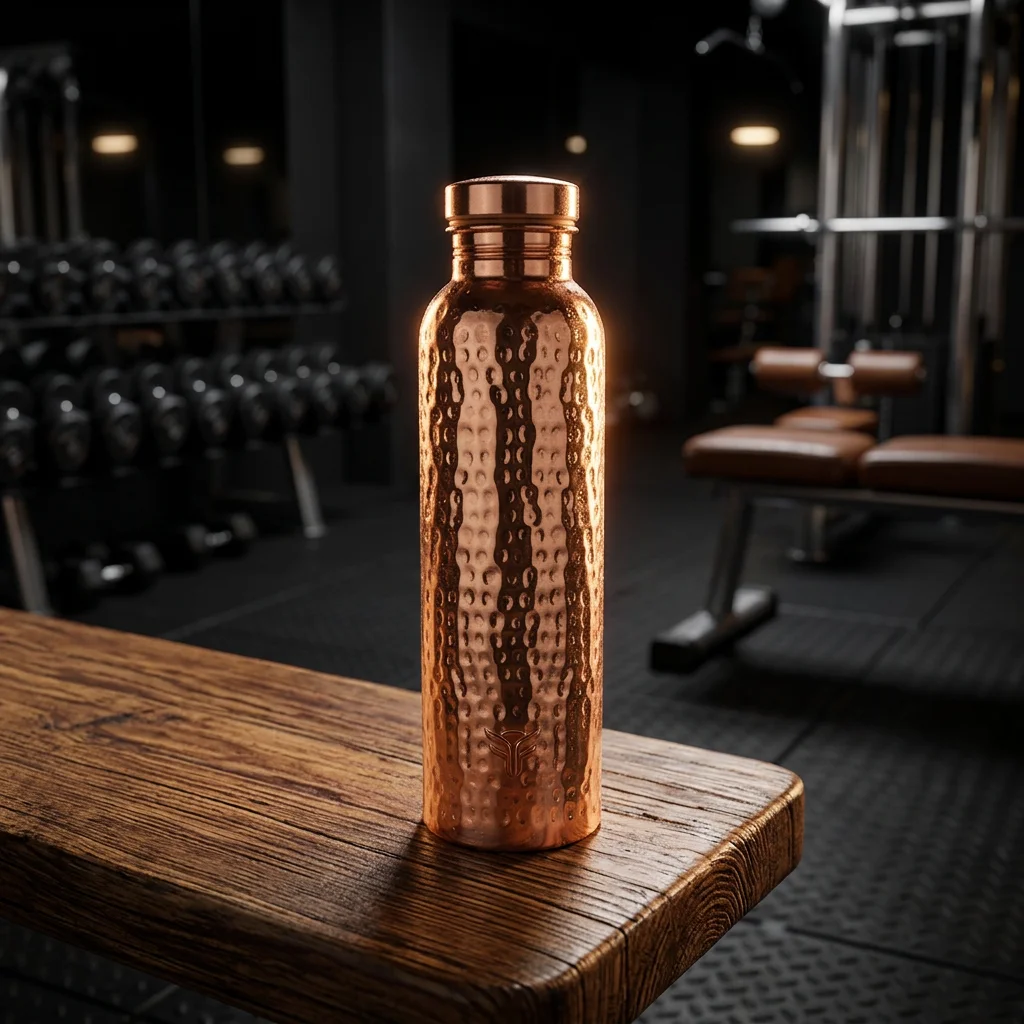
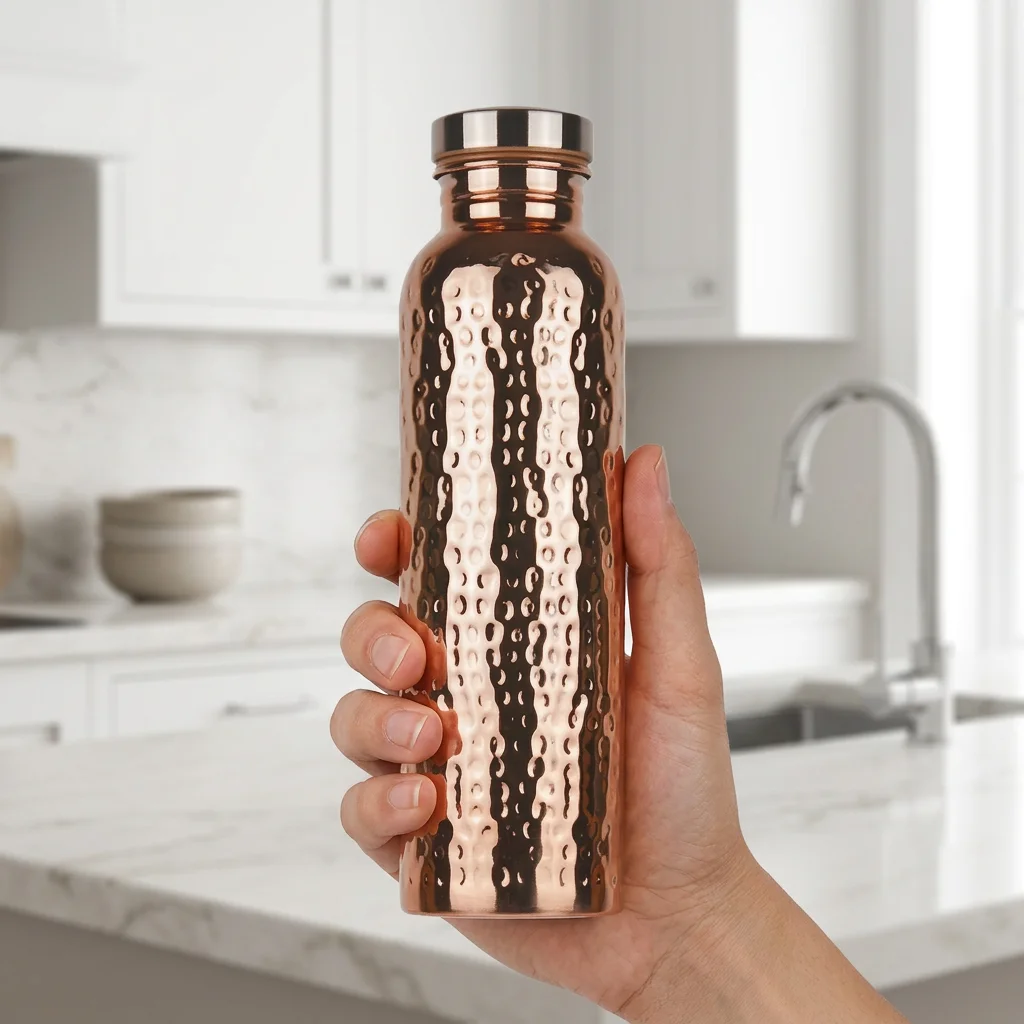
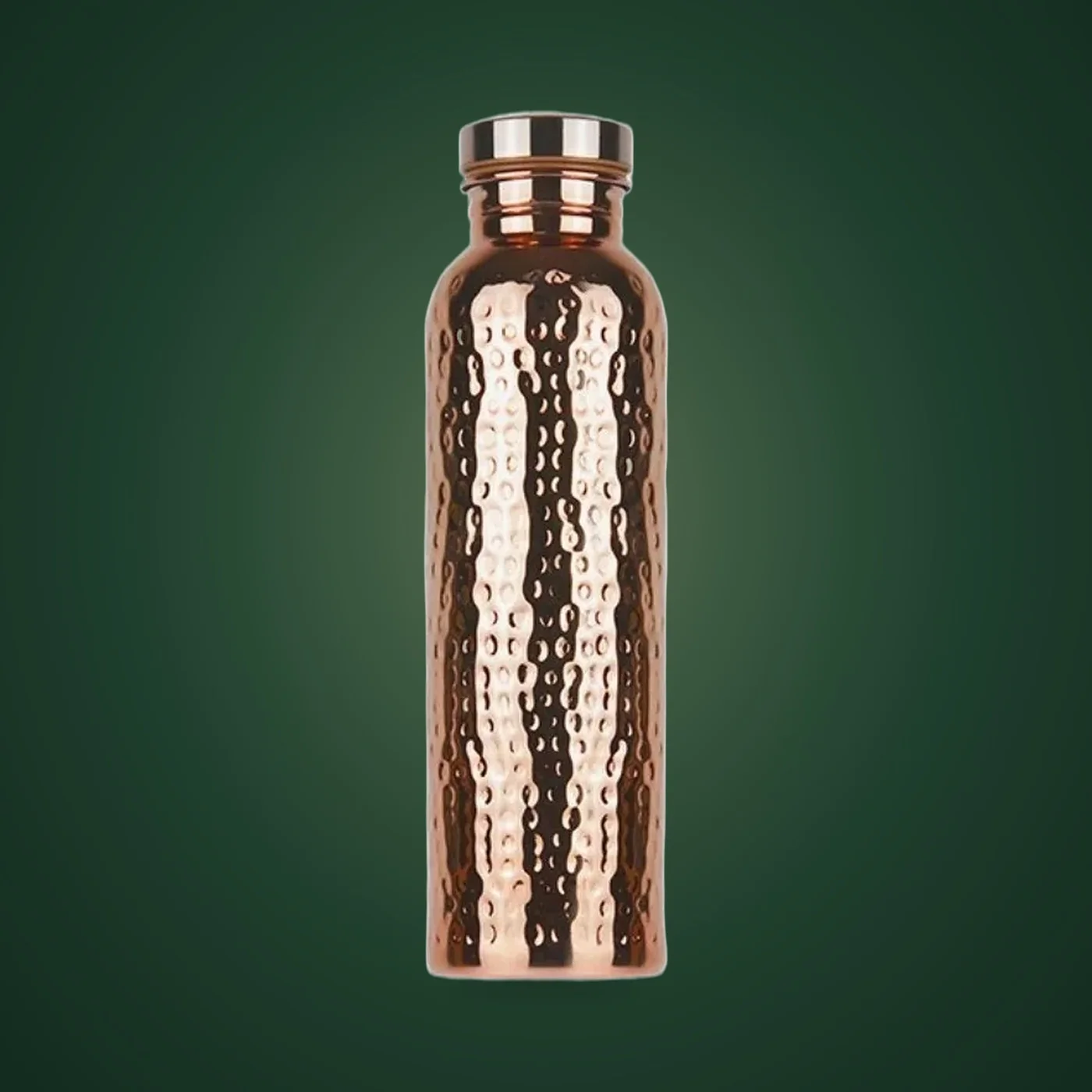
Copper offers a distinctive colour and a surface that develops patina. Puura 800 has a hand-hammered copper finish and a body with no plastic liner, but the cap may contain a seal. It is for plain still water and hand washing. Copper is softer than many stainless steels, so handling and expectations about appearance matter. A copper-coloured finish alone does not establish copper construction.
Glass lets you see the contents but requires care against breakage. Reusable plastic can be light and convenient, particularly when carrying weight matters. Aluminium bottles are another category and often have an internal coating. None of these brief descriptions replaces the individual product instructions. Ask what touches the drink, how the cap is made and which uses the maker permits before deciding.
3. Test capacity, insulation and carrying fit
Choose capacity around refill access and carrying comfort, not the idea that bigger must be better. A larger bottle holds more but takes up more space and becomes heavier when filled. Check the dimensions against your bag, cupboard and usual refill point. If possible, compare the shape with a container you already own to get a realistic sense of its footprint.
Insulation is a separate requirement. A suitable double-wall vacuum-insulated flask is better for temperature retention than an uninsulated copper bottle. The Puura 800 is not a flask and does not promise to keep water cold for a fixed period. If cold water through a long journey is essential, prioritise a product designed for that purpose rather than choosing copper and hoping it will behave like an insulated model.
Look closely at the opening and cap. Consider whether you can drink comfortably, reach the interior with a brush and close the bottle without awkward handling. A secure closure matters, but inspect and seat it correctly before travel. Do not assume a sports lid, screw cap or carrying loop is automatically best; each adds a different convenience and, sometimes, another part to clean.
4. Check cleaning and support before checkout
Read the cleaning instructions while comparing products, not after delivery. Some bottles are dishwasher-safe and others are not; even within one material category, coatings, lids and insulation can change the rules. Puura requires hand washing and should not hold fizzy drinks, juice, milk or hot drinks. Those restrictions are straightforward if they fit your routine, but inconvenient if you need one container for several kinds of drink.
Ask about replacement parts rather than assuming a cap or seal can be bought later. Check the support contact and the information needed to report a problem. Keep your order confirmation and do not attempt improvised repairs to the drinking surface or cap. Clear instructions and accessible support are useful buying criteria, even when the body material seems simple.
5. Make a purchase decision grounded in actual use
Compare the amount you would pay with the problem being solved. The Puura 800 is listed at the configured single-bottle price. If it replaced purchases you would otherwise make, any financial comparison would depend on those avoided purchases, their actual prices and additional costs. If you already refill a working bottle, another purchase does not automatically save money. Check the checkout total rather than treating an illustrative calculation as a promised result.
Keep environmental comparisons equally specific. Manufacturing, transport, washing, useful life and what is displaced all matter; reusable does not automatically mean lower impact in every case. Keeping a suitable existing bottle can avoid an unnecessary new purchase. A new bottle is most defensible as a practical choice when it fills a real gap and you expect to maintain and use it.
Tracked UK delivery. Please order at least 2 weeks before any gifting deadline. Allow room around an important departure rather than treating an estimate as certainty. Before paying, check capacity, permitted drinks, cleaning, insulation, the current terms. The best fit is the bottle whose compromises you understand and can comfortably live with.

Frequently asked questions
Is copper better than stainless steel for every buyer?
No. Copper suits people who want its appearance, accept patina and are comfortable hand washing a bottle for still water. Stainless steel offers many useful alternatives, including vacuum-insulated models better suited to temperature retention.
Does a metal bottle have no plastic components?
Not necessarily. The body, lid and seal can use different materials. Puura 800’s body has no plastic liner, but the cap may contain a seal. Ask about the complete construction if particular materials matter to you.
What should I check before buying online?
Check dimensions, capacity, insulation, allowed drinks, cleaning instructions, cap construction, replacement-part availability and the checkout total. Read the current terms separately. Keep a working bottle unless a replacement addresses a genuine need.
