A history of objects, not a product endorsement
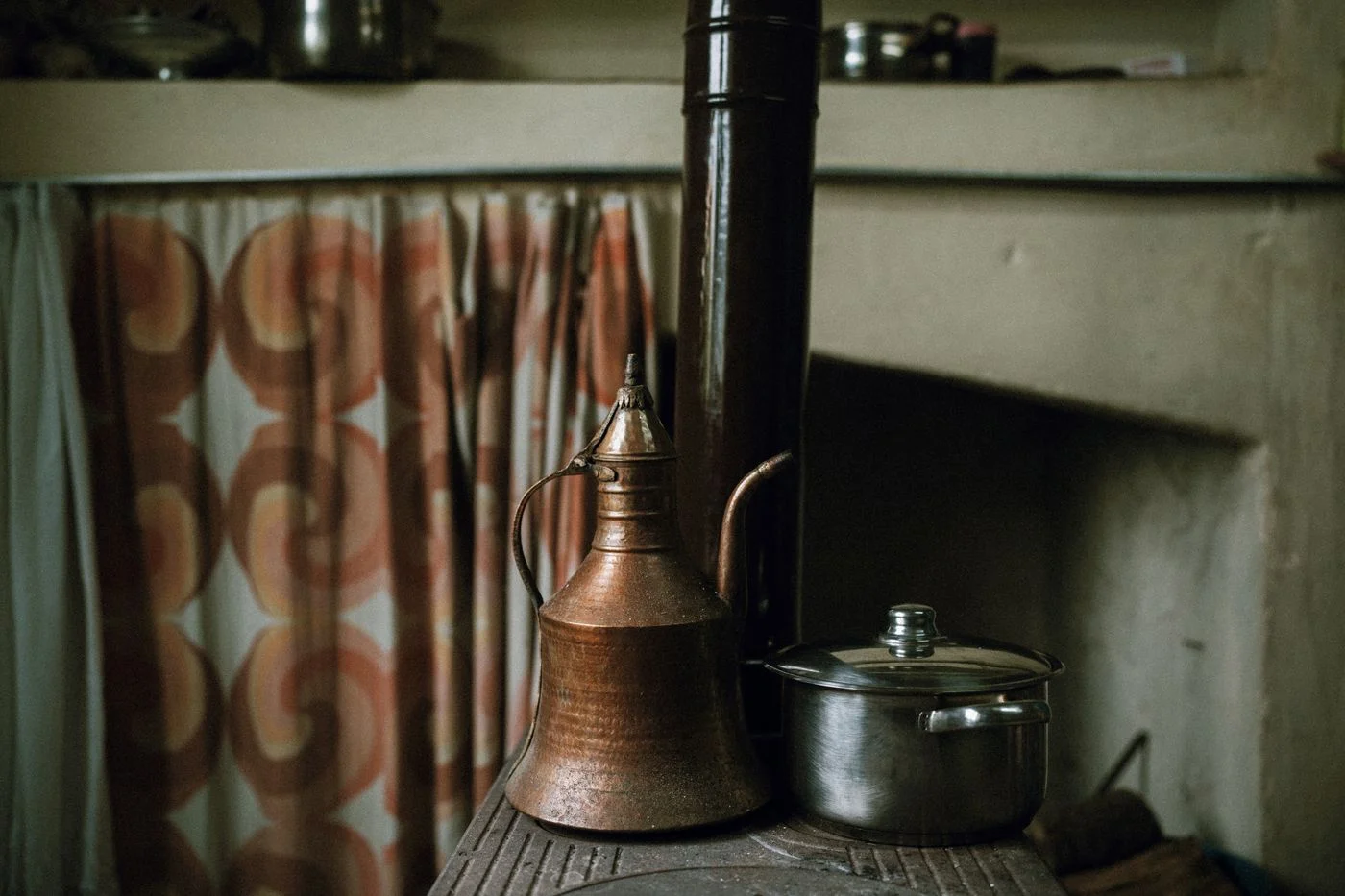
Copper drinking vessels belong to a wider history of making, storing, serving and sharing. Their interest is not limited to what they held: a vessel can reveal choices about shape, decoration, repair and household practice. A water pot used for pouring serves a different role from a cup brought to the mouth, even when both are described casually as drinking vessels. Looking closely at the object is more informative than grouping every copper-coloured container into a single tradition.
This short history takes a heritage approach rather than assigning a neat origin date to modern copper bottles. Similar materials can appear in different places for different purposes, and surviving objects do not establish a continuous, unchanged practice in every household. Nor does the existence of an old vessel validate a present-day product claim. When reading a historical description, separate what is known about the object from what a seller wants a modern bottle to represent. The useful questions are about material, documented use and context, not whether age alone makes a contemporary purchase better.
“Copper drinking vessels belong to a wider history of making, storing, serving and sharing.”
Reading shape, material and workmanship
A vessel’s shape offers clues, but not complete answers. A broad opening may make filling and cleaning convenient; a narrow neck may suit pouring or carrying. Handles, spouts and lids change how an object can be held and used. Wear around these areas can prompt questions about handling, while decoration may suggest that appearance mattered alongside practical function. Without supporting documentation, however, those observations remain clues rather than proof of a precise use.
Material descriptions need equal care. Copper, copper alloys and copper-plated objects are not interchangeable categories, even if their surfaces look related. An old catalogue label may need more explanation than a modern reader expects, and a polished photograph may conceal repairs or changes to the interior. When looking at a museum or collection record, read the material field, object description and provenance together. If the maker, place or use is uncertain, retain that uncertainty when discussing the object. Do not turn a tentative attribution into a confident story merely because it makes an attractive connection with a bottle sold today.
Understanding the term tamra jal neutrally
In discussions of Indian traditions, you may encounter the term tamra jal, commonly used to mean water kept in a copper vessel. The expression is often explained through the words for copper and water. It identifies a material-related practice; by itself, it does not establish a standard recipe, storage period or instruction applicable to every household. Context matters, particularly when a short phrase is lifted out of a longer cultural explanation.
A respectful account can describe the term without converting it into advice or a list of benefits. Traditional explanations, family customs and modern advertising are different kinds of material and should be identified as such. Avoid presenting a whole region or community as following one identical routine. If someone shares a family practice, its value as a personal account does not require turning it into a universal rule. For a present-day bottle, use the maker’s actual instructions and suitable drinking water. Puura makes no health claims, and the term tamra jal should not be used as an indirect way to suggest claims that the product does not make explicitly.
From a shared vessel to a personal bottle
A household water vessel and a modern screw-cap bottle organise daily life differently. One may remain in a particular place for pouring or serving; the other may travel between a kitchen, a bag and a desk. Recognising that difference prevents a misleading story in which today’s retail product is treated as an unchanged historical object. A modern bottle can refer to older material traditions while still being a contemporary design with its own manufacturing and care details.
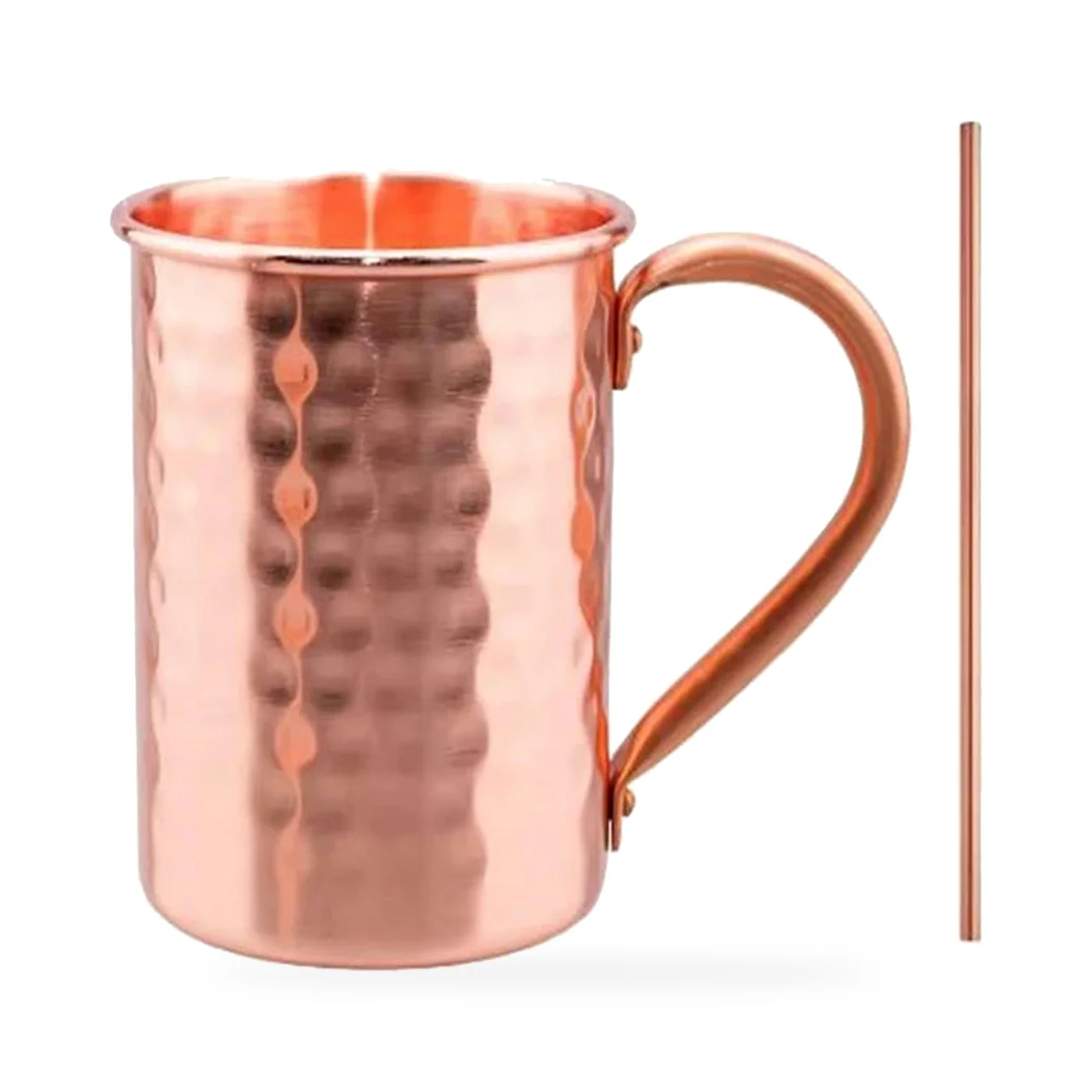
The closure is a useful example. A current bottle may need sealing components suited to carrying, and those components cannot be inferred from the appearance of an older vessel. Puura 800’s body with no plastic liner does not establish that the whole cap is linerless; the cap may contain a seal. Likewise, a hammered appearance is a visible finish, not independent proof of a particular age, origin or production history. Ask for present-day product information when assessing a present-day purchase. Heritage can explain an aesthetic interest, but it cannot supply missing specifications or show that two objects were made and used in the same way.
Enjoying heritage while following modern care
An older vessel can be appreciated as a family object or decorative piece without assuming it is ready for drinking use. Unknown composition, previous repairs, interior treatments and storage history all deserve attention. If you have inherited an object, avoid aggressive polishing before establishing what it is and whether its surface or decoration needs specialist care. A bright finish is not a certificate of suitability, and an attractive story is not a substitute for knowing the material.
For a new Puura bottle, follow the current product guidance rather than a historical anecdote. Use plain still water, hand wash and leave it open to dry when not in use. Do not store fizzy drinks, juice, milk or hot drinks in it. The exterior copper finish may change tone over time, but unusual deposits, excessive corrosion or an unexpected taste should prompt you to stop using the bottle and seek advice. This leaves room to enjoy craftsmanship, material character and a familiar filling ritual without making a health promise. The most honest connection between heritage and daily use is a thoughtful relationship with the object, not a claim that an old practice guarantees a modern result.
Frequently asked questions
Does historical use prove a modern bottle offers benefits?
No. Historical use can establish cultural interest or provide context for an object. It does not establish a modern product’s effects, composition or suitability. Puura makes no health claims.
What does tamra jal mean in this guide?
It refers neutrally to water kept in a copper vessel, as the expression is commonly used in discussions of Indian traditions. It is not presented as a treatment, a promised benefit or a fixed storage instruction.
Can I drink from an antique copper vessel?
Do not assume suitability from appearance or family history. Unknown materials, repairs and interior treatments need appropriate assessment. A historical object can be enjoyed for its heritage without putting it into drinking use.
