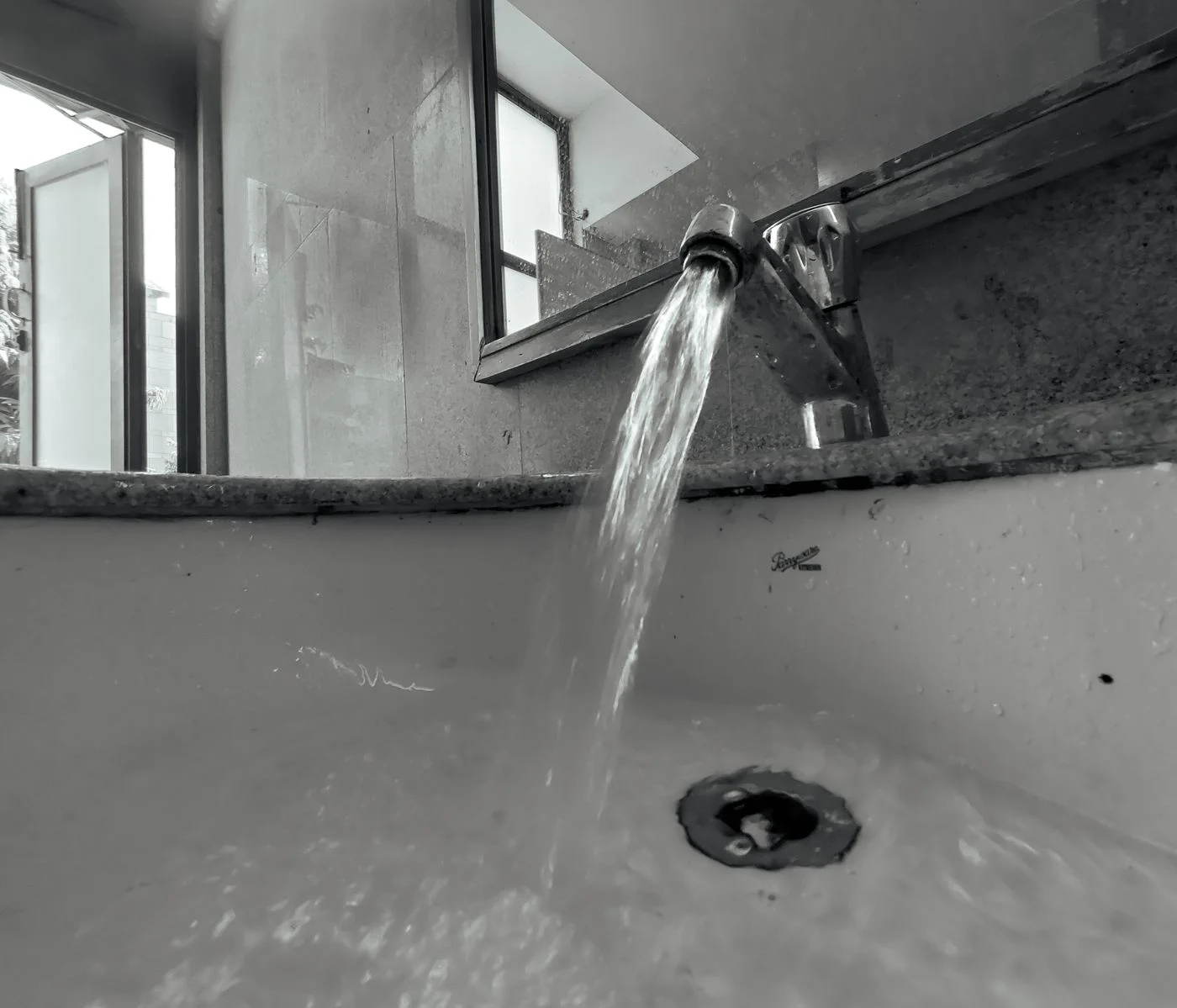
Start with the supply, not the bottle
UK public tap water is generally supplied for drinking, but a useful answer needs more precision than a universal yes. Your location, any current supply notice and the plumbing inside the property all matter. A general article cannot confirm the condition of a particular tap today. Before filling a drinking bottle, use a tap intended to provide drinking water and check any instructions from the water supplier or building operator.
The Drinking Water Inspectorate provides independent oversight of drinking water quality in England and Wales. Its website offers consumer guidance and help finding your water company. It is not the regulator for the whole UK. Scotland has the Drinking Water Quality Regulator for Scotland, while Northern Ireland has its own Drinking Water Inspectorate. Start with the body responsible for your nation and the supplier responsible for your address. This is more useful than relying on a national headline, especially when travelling, moving into unfamiliar accommodation or responding to an unexpected change at the tap.
“UK public tap water is generally supplied for drinking, but a useful answer needs more precision than a universal yes.”
What to do when something seems different
If water unexpectedly changes in appearance, smell or taste, do not assume that a new bottle or a household filter has resolved the underlying question. Check your supplier’s incident information and contact it for advice. Describe the change, when it started and whether it affects more than one tap. Those observations are more useful than guessing at the cause from a photograph or a social media discussion.
Follow any formal instruction exactly, including guidance about which uses are affected and when normal use can resume. A notice requiring boiling is not the same as a notice telling you not to drink the water, so do not treat them as interchangeable. If an alternative supply is recommended, follow that advice rather than improvising a treatment method. Keep the supplier’s contact details somewhere easy to find, particularly if other people in the household might miss an online update. Once the immediate issue is addressed, check whether bottles, jugs or appliances need attention under the supplier’s instructions before returning them to normal use.
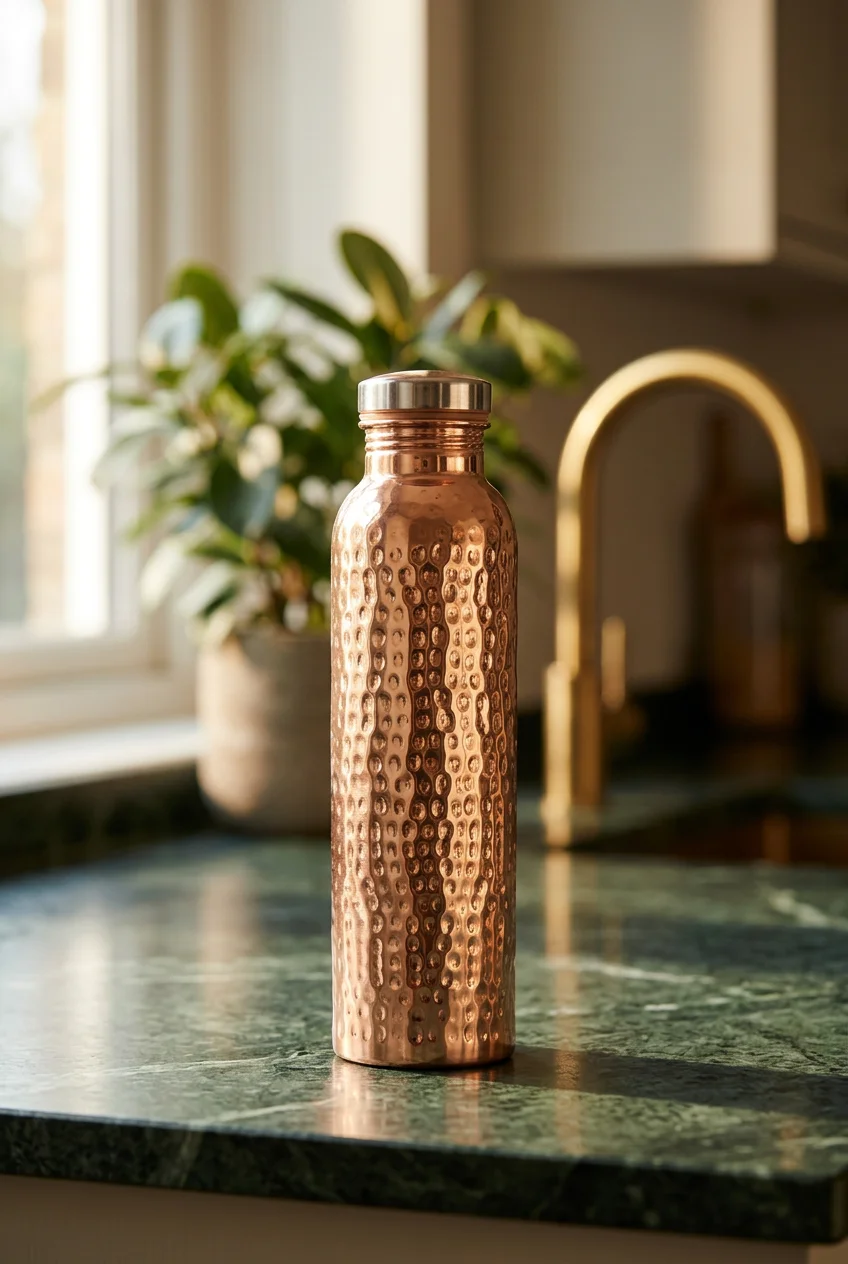
The building and the tap deserve attention too
The public supply is only part of the route to your glass. Water also passes through the property’s plumbing, and different taps may not have the same arrangements. In unfamiliar buildings, look for drinking-water labels or ask the person responsible for the premises. Use fresh cold water from a tap confirmed as suitable for drinking, rather than assuming every sink is an appropriate refill point.
If your home uses a private supply, do not apply public mains assumptions without checking. Ask who is responsible for the supply, what monitoring applies and where to obtain current advice. Local authorities have responsibilities relating to private supplies, and the relevant drinking water regulator provides further guidance. For concerns within a rented property, tell the landlord or managing agent as well as seeking appropriate water-quality advice. Avoid buying equipment before understanding the problem: a filter has a defined purpose and maintenance requirements, not a universal ability to make any source suitable. Where specific treatment is needed, follow competent advice for that source and situation.
Keep research findings separate from local advice
Questions about tap water sometimes become mixed with headlines about particles found in bottled water. Research can describe the samples and methods used in a study, but it cannot certify the quality of your tap or establish that a particular bottle will improve it. Counting detected particles and assessing what a finding means are separate tasks. Avoid turning a laboratory headline into a simple ranking of every drinking-water source.
For the same reason, comparisons between bottled and tap water need careful boundaries. Different sampling locations, particle-size ranges and measurement methods can limit what can be concluded. This guide does not use a particle count to promise a personal outcome or recommend a product as a treatment. If your concern is a current local supply issue, official instructions are the relevant starting point. If your concern is packaging waste, consider disposal and refill routines on their own terms. Keeping those questions separate helps prevent an ordinary buying decision from becoming a claim that the evidence does not support.
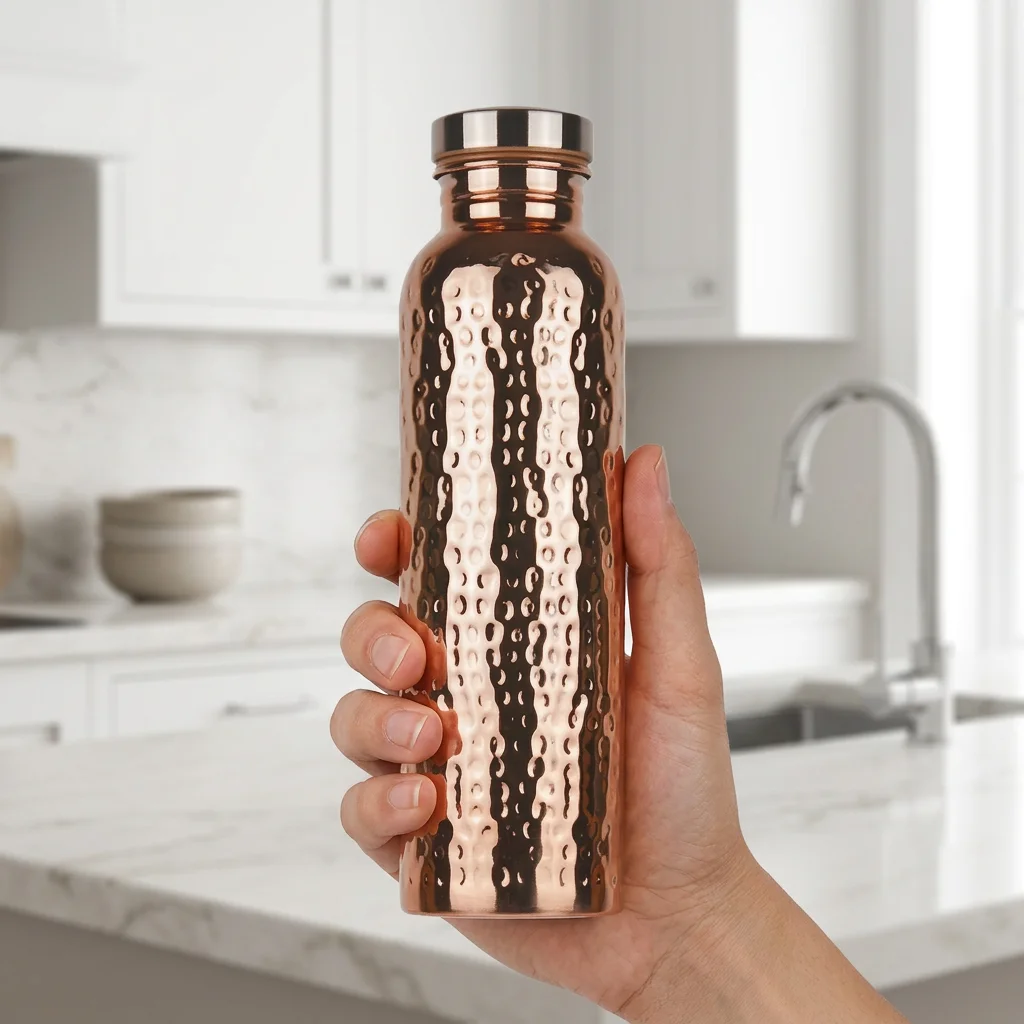
A sensible refill routine
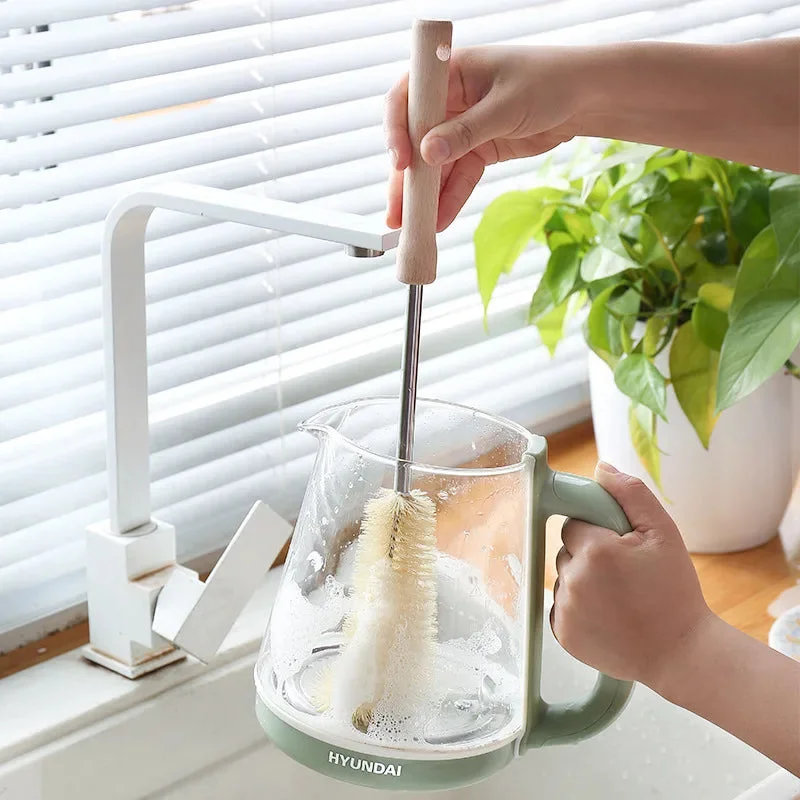
Once you have established that the source is suitable, make refilling straightforward. Empty leftover water, wash the bottle according to its instructions and pay attention to the cap and threads. Allow it to dry when not in use. Avoid touching a public refill outlet with the bottle mouth, and use the refill point as directed. A suitable source and a properly maintained container are distinct parts of the routine.
For Puura, use plain still water only. Hand wash rather than using a dishwasher, and do not fill it with juice, fizzy drinks, milk or hot drinks. Filling a copper bottle does not treat an unsuitable supply or override an official notice. Puura makes no health claims. The product’s body with no plastic liner is a construction detail, not evidence that the entire cap has no other components or that the bottle changes the suitability of its contents. If you notice unusual deposits, excessive corrosion or an unexpected taste associated with the bottle, stop using it and ask the seller for advice instead of repeatedly refilling it and hoping the issue disappears.
Frequently asked questions
Does the Drinking Water Inspectorate cover all UK nations?
No. The DWI website linked here concerns England and Wales. Scotland and Northern Ireland have their own drinking water regulators. Use the relevant regulator and your local supplier when checking a particular supply.
Will a copper bottle make unsuitable water drinkable?
No such claim is made. Use water already suitable for drinking and follow official notices. Puura is a drinking container, not a treatment device, and Puura makes no health claims.
Should I ignore a change if the water looks clear?
No. Appearance alone does not settle a water-quality question. If you notice an unexpected change or receive a supply notice, check with your water company and follow its instructions.
