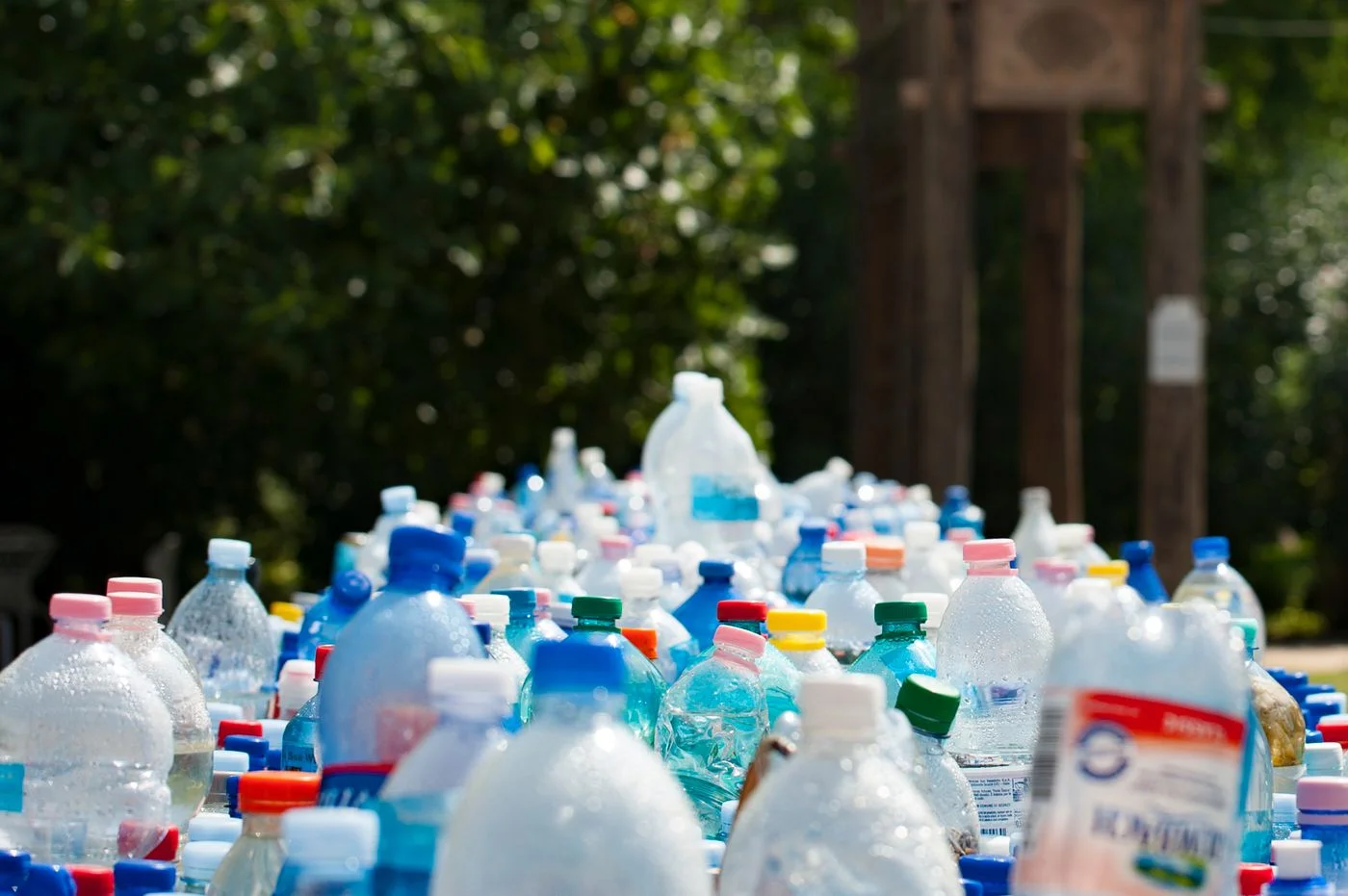
Putting the headline recycling figure in context
The distinction matters when reading plastic recycling facts. A collection rate measures material gathered for recycling, while a final recycling rate concerns what makes it through the process. Figures can also cover different places, years and types of plastic. Before comparing headlines, ask what was counted and where the measurement ended. A statistic about all plastic waste cannot simply be applied to household drinks bottles. Equally, a successful local collection service does not demonstrate that all plastic packaging follows the same route. Use the global figure as context for the scale of the challenge, not as a reason to abandon your local recycling instructions.
The OECD Global Plastics Outlook reported that only 9% of plastic waste is recycled worldwide after losses; 19% is incinerated and almost 50% goes to landfill.
“The distinction matters when reading plastic recycling facts.”
A material code is not a collection instruction
Packaging can carry several different messages. A material identification code describes the type of plastic; a recycling instruction tells you something about disposal. Neither should replace the guidance for the collection service you actually use. Acceptance can depend on the shape and format of the packaging as well as its material. A rigid bottle and a flexible wrapper should not be treated as interchangeable simply because both are plastic.
Check your council’s current guidance for the complete item, including its cap, sleeve or other detachable parts. Follow any instruction to empty, rinse, squash or leave components attached rather than applying a rule remembered from another area. Keep a short note near the bin if members of your household use different assumptions. When an item is unclear, look it up instead of placing it in recycling just in case. This is especially useful after moving home or changing collection services. The practical goal is to give the local system the materials it is set up to handle, in the condition it requests.
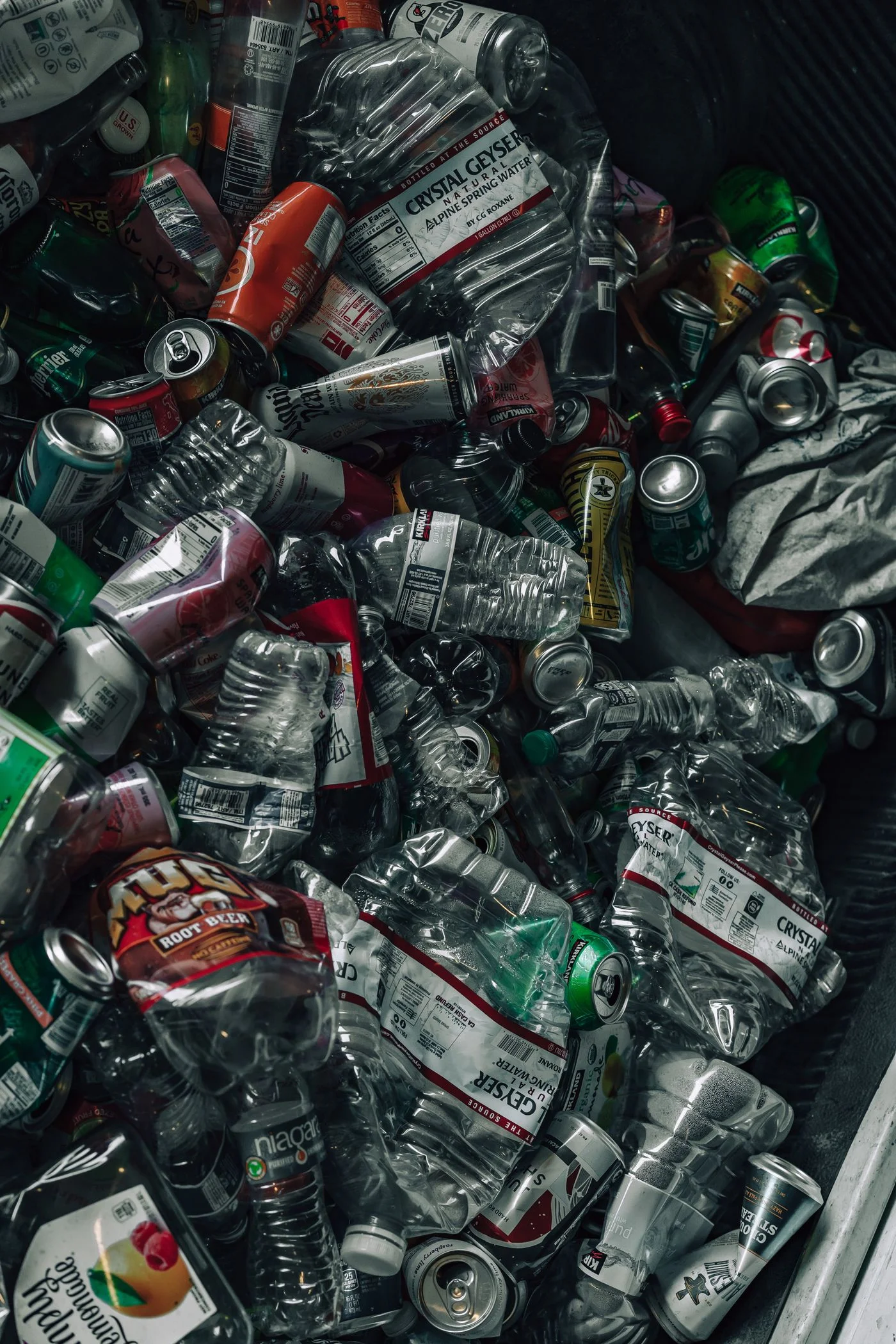
What happens after a collection
Once collected, packaging needs to be separated into suitable material streams. Items that look similar to a person may have different compositions or uses, so visual resemblance is not enough to establish that they belong together. Sorting facilities and reprocessors have particular requirements. Remaining contents, unsuitable items and mixed components can complicate the process, which is why preparation instructions deserve attention even when they appear rather mundane.
Recycling also does not necessarily mean that an object becomes an identical object. Ask what a claim actually says: collected for recycling, accepted by a facility, made with recycled material, or turned into new packaging. Those statements describe different things. Recycled content concerns the input to a new product; recyclability concerns a possible route after use. Neither, on its own, gives a complete account of the product’s environmental impacts. If a packaging claim seems sweeping, look for a named material, a defined location and an explanation of the process. Specific descriptions are more useful than an appealing symbol without accompanying instructions.
The OECD estimated 30 million tonnes of plastic waste in seas and oceans and 109 million tonnes built up in rivers.
Where deposit return fits into the picture
Deposit return is a separate collection approach for eligible drinks containers. The government’s published policy schedules a scheme for England, Scotland and Northern Ireland in October 2027. Rather than treating every drinks package alike, the scheme defines the materials and container sizes it covers. Our deposit return guide explains that scope and why the arrangements should not be described as a single identical scheme covering every UK nation.
Defra estimated that 6.5 billion single-use drinks bottles and cans go to waste each year across England, Scotland and Northern Ireland instead of being recycled: over 17 million a day. A deposit return scheme is scheduled to start in October 2027.
This includes cans as well as bottles; it is not a count of plastic water bottles alone.
Build a routine around the choices you control
Start with a small household check rather than a promise to eliminate every piece of packaging. Notice which drinks containers appear repeatedly, whether they are being sorted correctly and when a refill would fit your day. A bottle beside your keys may be more useful than an elaborate plan you rarely follow. Keep the recycling instructions accessible for occasions when you do buy a packaged drink, and leave space to store eligible deposit containers when the scheme begins.
Refilling and recycling answer different practical questions: one concerns using a container again, while the other concerns handling material after disposal. This guide does not claim that a particular reusable bottle has a lower lifecycle impact than every deposit-return container. Such comparisons require defined products and assumptions. If you choose Puura, choose it for its specified construction and the routine it suits, not a promised health effect: Puura makes no health claims. Its copper-finish stainless steel body specification is not a claim that every cap component is the same material. Use plain still water, hand wash and follow the care instructions.
Frequently asked questions
Does the global recycling figure describe my council?
No. The OECD figure covers plastic waste worldwide after processing losses. Your council’s collection arrangements and reported results have a different scope. Check local instructions rather than using a global statistic to decide which bin to use.
Should I put uncertain plastic items in recycling?
Look up the item first. A material code or familiar appearance does not establish local acceptance. Follow the council’s instructions for the item and its separate components rather than guessing.
Does recyclable mean made from recycled material?
No. Recyclability describes a potential disposal route under suitable conditions. Recycled content describes material already used to manufacture an item. Read the wording carefully because the claims answer different questions.
