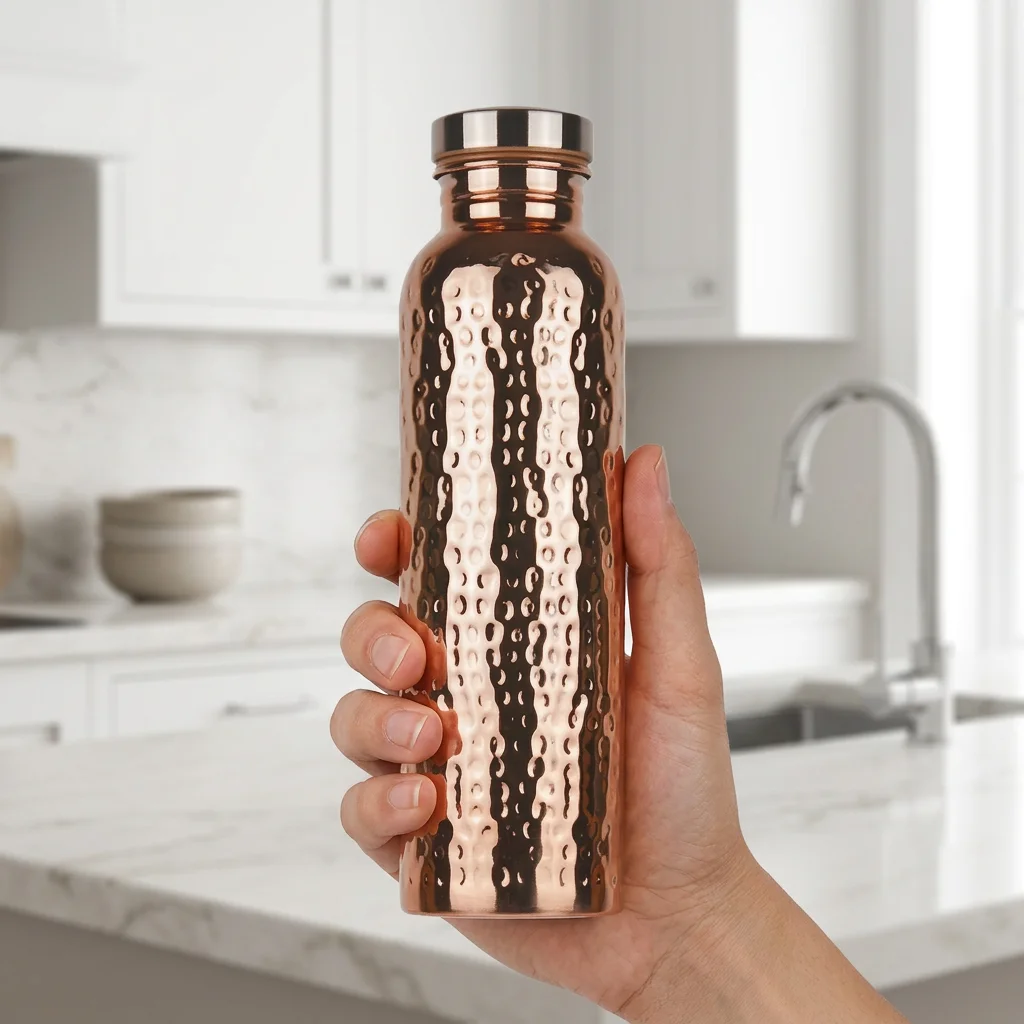
Payback is conditional on purchases you stop making
A reusable water bottle can pay for itself financially if using it avoids enough spending to recover its purchase and ongoing costs. It does not pay for itself simply by being filled or carried. If you would otherwise have drunk tap water from a glass, moving that water into a new bottle does not create an avoided shop purchase. Start by identifying the actual bottled-water purchases you expect the bottle to replace.
Be specific about the routine. A bottle used on an office commute may replace a regular shop stop but make no difference at weekends. A bottle kept at home may be useful without replacing paid water at all. Neither use is wrong; they just produce different financial results. Separate reasons such as appearance, portability and material preference from a payback claim. You can value those qualities without treating them as cash savings. The question here is narrow: how much spending changes because you own and use the bottle, compared with what you would otherwise do?
“A reusable water bottle can pay for itself financially if using it avoids enough spending to recover its purchase and ongoing costs.”
Start with the current checkout cost, not a remembered price
Use the amount you would actually pay for the product today. For Puura, consult the current shop and calculator rather than a fixed price quoted in this article. Include delivery where it applies and use a discount only if you are entitled to it. If buying a bundle, decide whether you are analysing the whole order or a single bottle allocated from it. Do not assign all the household’s avoided purchases to a bottle used by only one person.
Also compare buying nothing new. An existing suitable bottle has a different starting cost from a new purchase, so it may be the clearest financial baseline. If you are replacing an unsuitable or damaged bottle, describe that reason rather than assuming every reader starts without one. Optional accessories belong in the calculation if you would buy them as part of the decision. Gift packaging or a spare product should not disappear from the budget merely because the headline comparison focuses on the main bottle. A fair starting figure reflects the decision you are actually making.
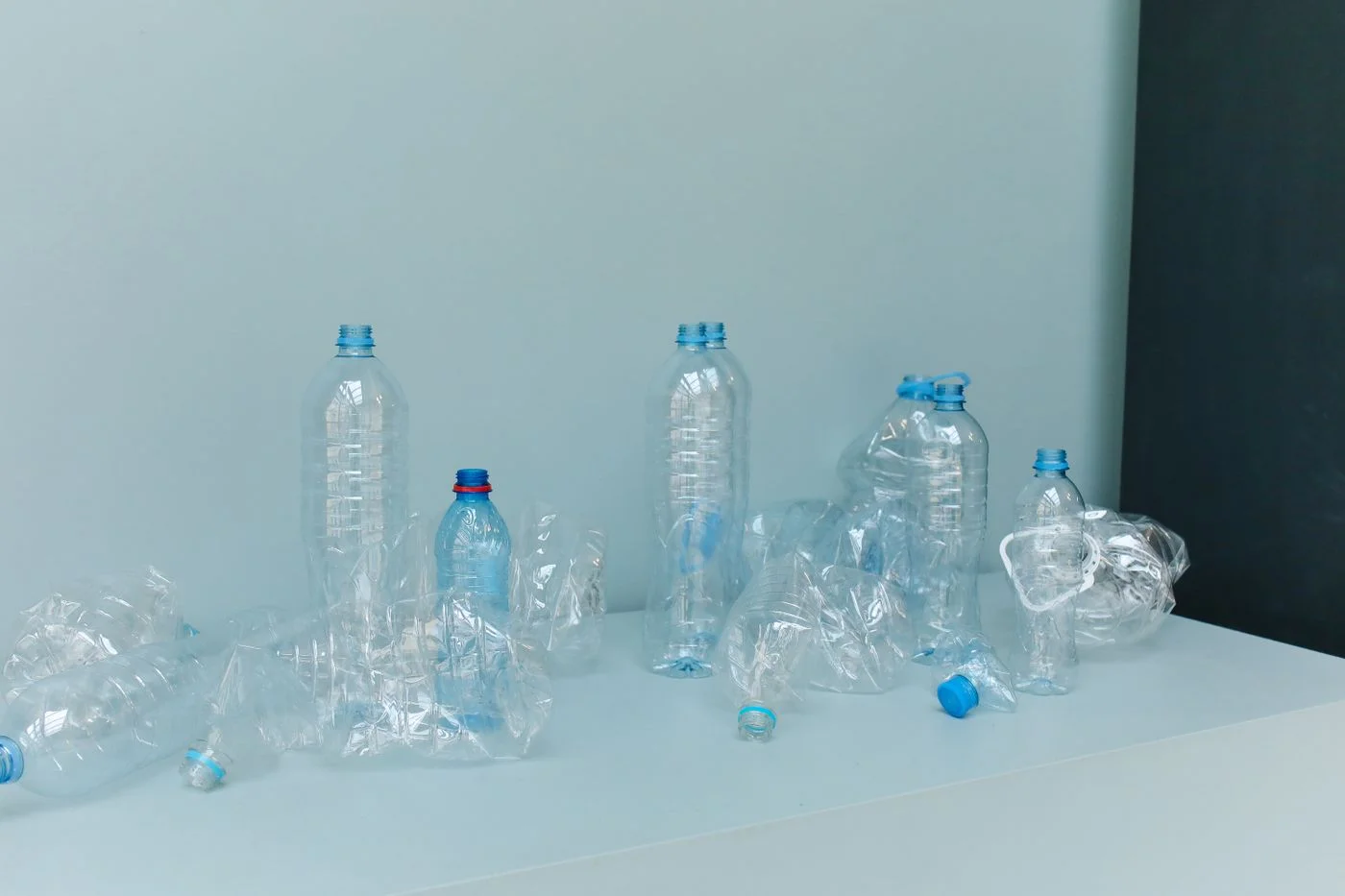
Calculate net savings before estimating a recovery date
Begin with the bottled-water spending you expect to avoid over a consistent period. Subtract the additional costs of the new routine, including refill costs where relevant and any care or replacement spending you choose to allocate. The remainder is the net saving for that period. Dividing the initial purchase cost by a positive net saving gives an estimated number of comparable periods needed for recovery. Keep the period consistent throughout: do not divide a purchase price by weekly savings and label the answer as months.
If the net saving is zero or negative, there is no financial payback under those assumptions. If your use changes from week to week, track cumulative avoided spending instead of assigning an exact date too early. Include the shop purchases you still make after buying the bottle; counting them as avoided would exaggerate the result. You can run an optimistic and a cautious scenario, but label both. A useful estimate should survive an ordinary forgotten-bottle day rather than depend on flawless behaviour from the first refill onwards.
Cost per use answers a different question
Cost per use spreads what you have spent across the uses you actually obtain. It can help compare a bottle used frequently with one left in a cupboard, but it is not the same as financial payback. A use can have value without replacing a paid drink. Conversely, a single refill might replace different amounts of spending depending on where you would otherwise have bought water. Keep those ideas separate instead of treating every fill as an identical saving.
Choose a clear definition of use, such as a day on which you carry and drink from the bottle, and apply it consistently. Add later ownership costs when they occur rather than leaving the numerator permanently fixed at the purchase amount. Avoid forecasting indefinite use or an automatic lifespan. A product may be kept for a long time, but damage, changing habits or loss can interrupt the calculation. Looking back at actual uses is more reliable than dividing today’s cost by a very large imagined future total and presenting that as an achieved result.

Make the routine realistic and respect the care requirements
Before buying, check where you will refill, how you will carry the bottle and when you will wash it. A routine that fits your journey is more likely to replace purchases than a bottle chosen without those details. Review your spending after trying it and update the estimate if you still buy water more often than expected. If an existing bottle already meets the need, begin there; the calculation should help you make a decision, not require a new purchase to look convincing.
For Puura, plan around plain still water and hand washing. Its copper-finish stainless steel body specification does not mean every cap component is the same material,. Check the current terms before ordering and include potential uncovered costs in a cautious scenario. The strongest payback statement is conditional and personal: a current purchase cost, a credible pattern of avoided spending and an honest record of how the bottle is actually used.
Frequently asked questions
Will every reusable bottle eventually pay for itself?
No. Financial recovery depends on the purchase cost, ongoing costs and spending actually avoided. A bottle that replaces no paid water has no payback from avoided bottled-water purchases, even if it is useful in other ways.
Should the calculation assume I never buy water again?
Only if that genuinely describes your behaviour. A more cautious estimate keeps occasional purchases in the budget and reduces the expected saving accordingly. Update the calculation when your routine changes rather than protecting an optimistic result.
Can future ownership add costs?
Yes. Cleaning, water and replacement parts can add costs. Include potential costs in your calculation rather than assuming they are covered.
