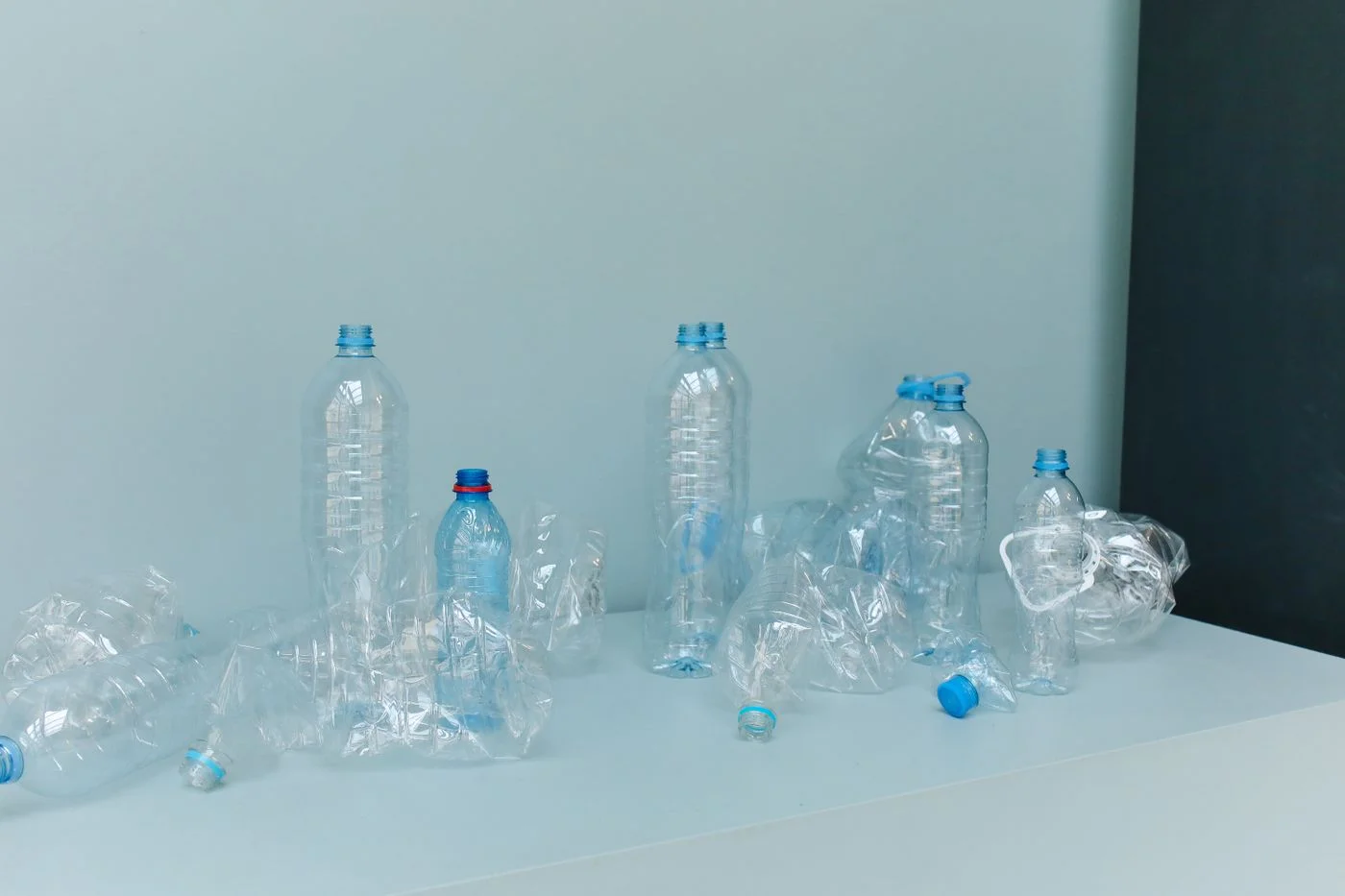
Your receipt is more useful than a national price guess
The cost of bottled water in the UK depends on what you buy and where you buy it. A planned supermarket purchase and a drink bought during a journey are different shopping situations. Rather than assign them an unsupported national average, start with your receipts or banking record. Record the price actually paid, the amount bought and whether the purchase included anything besides water. That gives you a useful baseline for your own routine.
Separate the cost of a pack from the price of an individual bottle. A low unit price only describes your habit if you actually buy that pack, use its contents and avoid additional convenience purchases. If your household shares it, decide whether the budget is personal or household-wide before calculating an annual figure. Keep delivery charges or minimum-order spending separate unless you can sensibly allocate them to the water. The aim is not to find the most impressive saving; it is to establish the spending a change in your routine could genuinely replace.
“The cost of bottled water in the UK depends on what you buy and where you buy it.”
Turn a repeat purchase into a clearly labelled illustration
For an illustrative routine, if you spend £3 on bottled water twice a week, across a full year of 52 weeks that is £312. This is arithmetic based on an illustrative shopping pattern, not research into typical UK prices. It assumes both purchases happen every week and the weekly amount stays the same. If you buy less often, the annual total falls. If some weeks involve travel or extra purchases, enter those separately rather than quietly treating them as ordinary weeks.
A different illustration uses a £1.50 bottle bought every weekday. If you buy that bottle on five weekdays for each of 52 weeks, the total is £390. That assumes no holidays, missed office days or weeks away from the routine. It is not a claim that every commuter pays that amount. To make the example yours, count the weekdays on which you actually make the purchase. Then multiply that number by your usual price. Stating the assumptions makes the calculation easy to check and much more useful than repeating a headline annual saving.
Use the historical tap estimate for context, not billing
The attached evidence contains an older Thames Water estimate of tap-water cost, reported by MayorWatch. It is historical context, not a current tariff and not a survey of today’s bottled-water prices. Do not copy it into a household budget as though it were your supplier’s present charge. The age and scope of the source matter as much as the appealing contrast it can create with a shop receipt.
For a current comparison, check your water bill or supplier’s tariff and establish what kind of charge you pay. A volume-based estimate should be distinguished from fixed charges you already pay regardless of a particular refill. If the tariff bundles different elements, read the supplier’s explanation before using it in a calculation. You can also leave tap-water cost as an explicit assumption rather than pretend to know it precisely. What matters is transparency: show whether you are estimating an additional refill cost or allocating part of the whole bill, and do not describe those as the same thing.
An older Thames Water estimate put tap water at roughly 0.1p a litre, as reported by MayorWatch.
Thames Water estimate, reported by MayorWatch, 2009
Historical illustration, not a current household tariff or a survey of today’s shop prices. The supplied precise 0.097p and bottled-price range were not established by this article, so are not reproduced. Use your own bottled-water price in the calculator.
Use the calculator to compare the habit you will replace
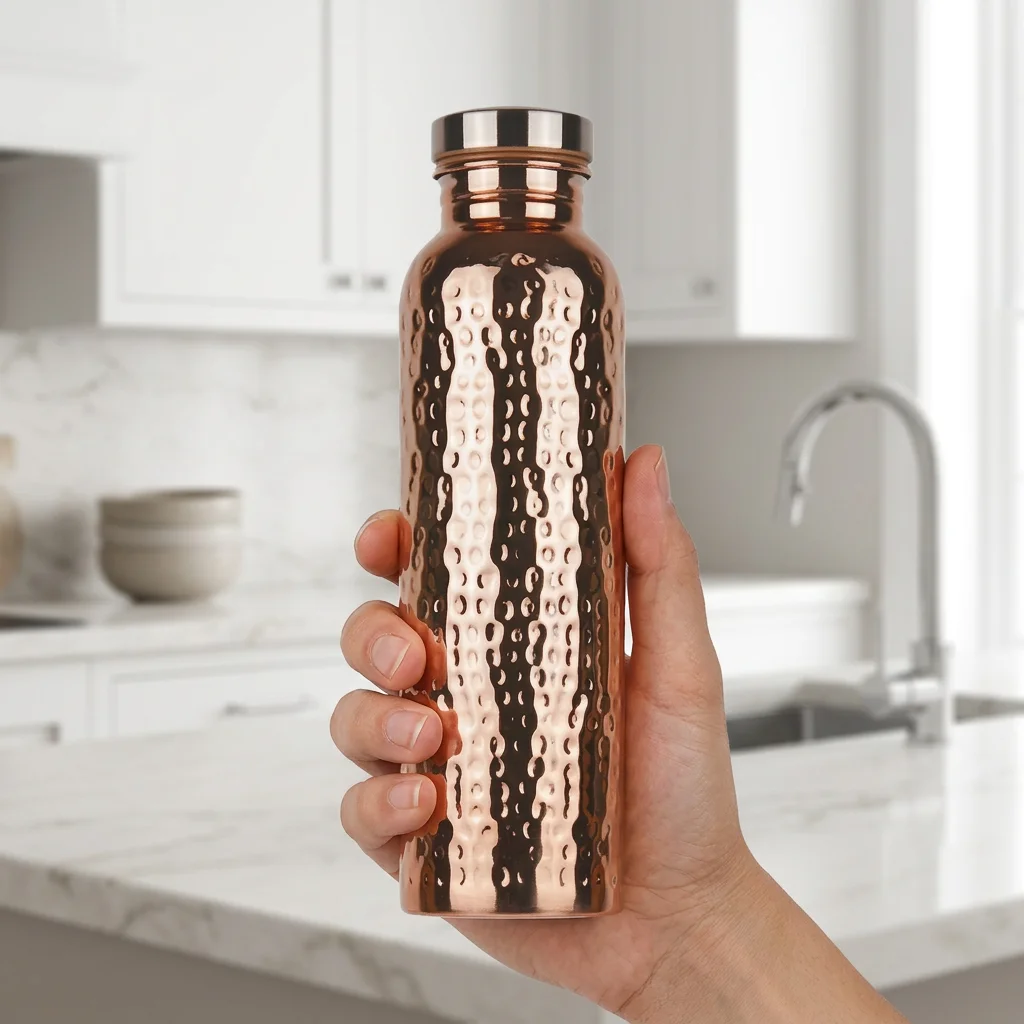
The current calculator is a convenient place to test your own bottled-water price and purchase frequency. Start with the pattern you recorded, then try a less frequent version to see how much the outcome depends on consistency. If you are considering a Puura purchase, check the current shop and calculator instead of relying on a product price embedded in an article. The amount you would actually pay is the relevant starting cost, including applicable delivery and any genuine discount.
A calculation should not assume that carrying a reusable bottle eliminates every bought drink. You might still buy water when you forget it or when refilling is inconvenient. Keep those purchases in the comparison. Likewise, a bottle already in your cupboard may let you reduce purchases without buying a new one. That option deserves a place beside a new product, not outside the calculation. If you want to work out recovery of a new purchase cost, the payback guide explains the difference between total spending, avoided purchases and net savings.
Build a budget around ordinary days and exceptions
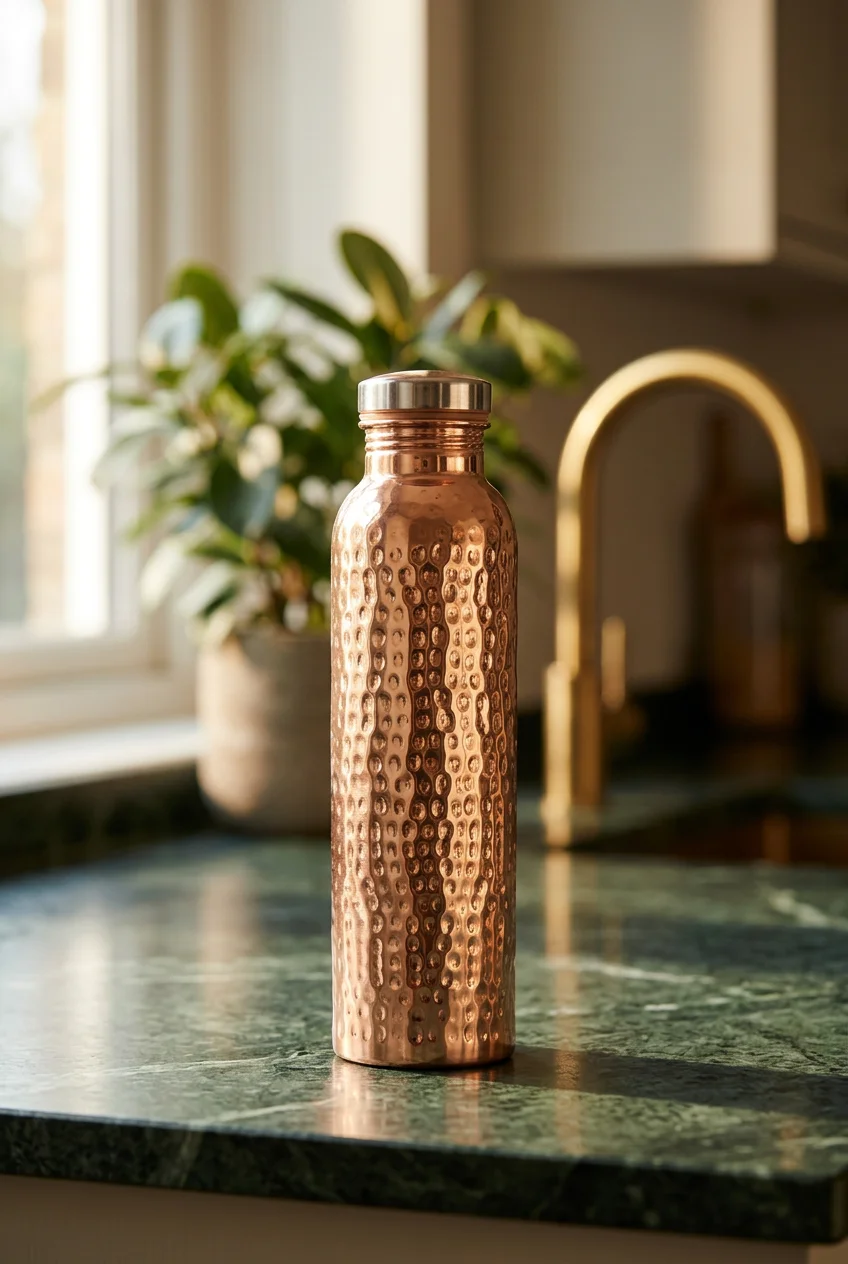
Make a short plan for the places where you most often buy water. You might refill before leaving home, identify a permitted refill point at work or keep the bottle beside the bag you normally carry. Check access rather than assuming every venue provides a refill. The financial benefit depends on purchases actually avoided, so a manageable habit matters more than a very ambitious annual target. Review receipts after trying the routine and compare them with the original pattern.
Keep exceptions visible. Travel days, forgotten bottles and shared household purchases can all change the result. If you buy a reusable bottle, include its care requirements and any later replacement spending rather than treating ownership as costless. Puura is for plain still water and hand washing, so choose it only if that fits your use. The simplest useful budget has a realistic baseline, a realistic refill routine and clear assumptions. It does not need a supposed nationwide bottled-water price or a promise that every purchase will disappear.
Frequently asked questions
Are the annual spending examples UK averages?
No. They are worked shopping scenarios with stated prices and frequencies. Substitute the amount you actually pay and the purchases you actually make, including holidays or days when you do not buy water.
Can I use the old tap-water estimate as my tariff?
No. The linked estimate is historical and supplier-specific context. Check your current bill and charging arrangement, or label the refill cost as an assumption. Do not present it as a current national rate.
Should I buy a new bottle to start saving?
Not necessarily. If a suitable reusable bottle you already own meets your needs, use that in the comparison. A new purchase adds a cost that only pays back if it replaces enough spending over time.
