1. Treat longevity as a buying process, not a promise
A buy it for life water bottle is an intention, not a reliable prediction printed on a label. Any bottle can be lost, dropped, poorly maintained or made difficult to use by a damaged cap. The useful question is not whether a material sounds permanent, but whether the whole object fits your routine and can remain serviceable with realistic care. Start with the bottle you already own: if it works, keeping it is a valid decision.
Write down the reasons your current arrangement falls short. Perhaps the bottle leaks in a work bag, will not fit beneath the office tap or needs cleaning you keep postponing. Separate genuine problems from a wish for a different colour. This prevents replacing a useful object with another that introduces the same inconvenience in a more attractive finish.
Then decide what would make the next bottle easier to keep. That could mean simpler parts, accessible threads, a finish you accept as it ages or clear support when something fails. A long-lasting purchase begins with those practical details, not a guarantee of an unchanged appearance.
“A buy it for life water bottle is an intention, not a reliable prediction printed on a label.”
2. Inspect the whole construction
Look beyond the body material. A sturdy shell is only part of the system: the cap must close properly, threads must remain usable and any seal needs suitable care. Ask whether replacement caps or seals are available, how they are identified and whether you can order them separately. Do not assume that a spare part exists because a product is described as durable. Availability should be confirmed for the particular model.
Compare materials honestly. Stainless steel can be durable and many bottles have unlined steel interiors. Copper can also serve repeated everyday use, but it is softer than many stainless steels and its surface darkens. Glass makes the contents visible but needs care against breakage. A reusable plastic bottle may be light and practical. Material alone does not settle which object you will keep using.
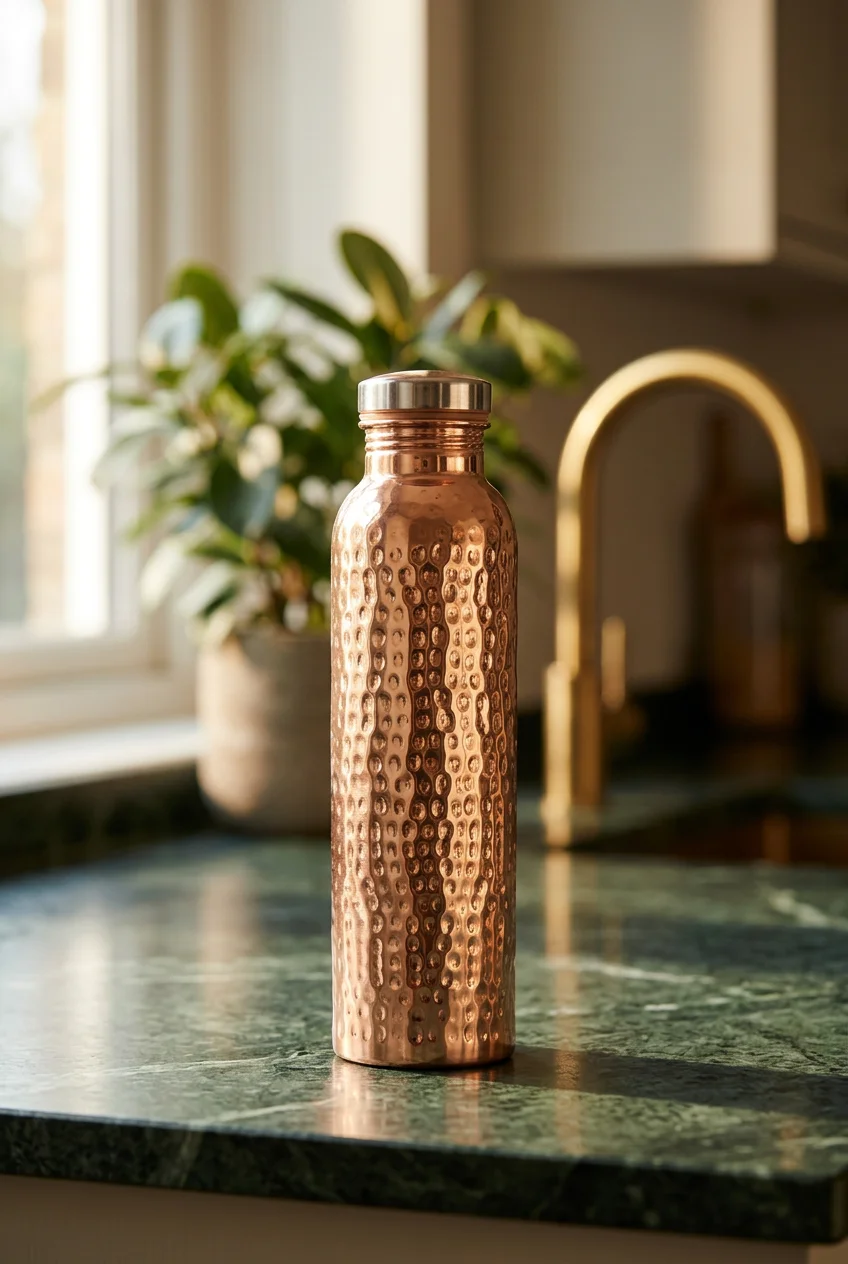
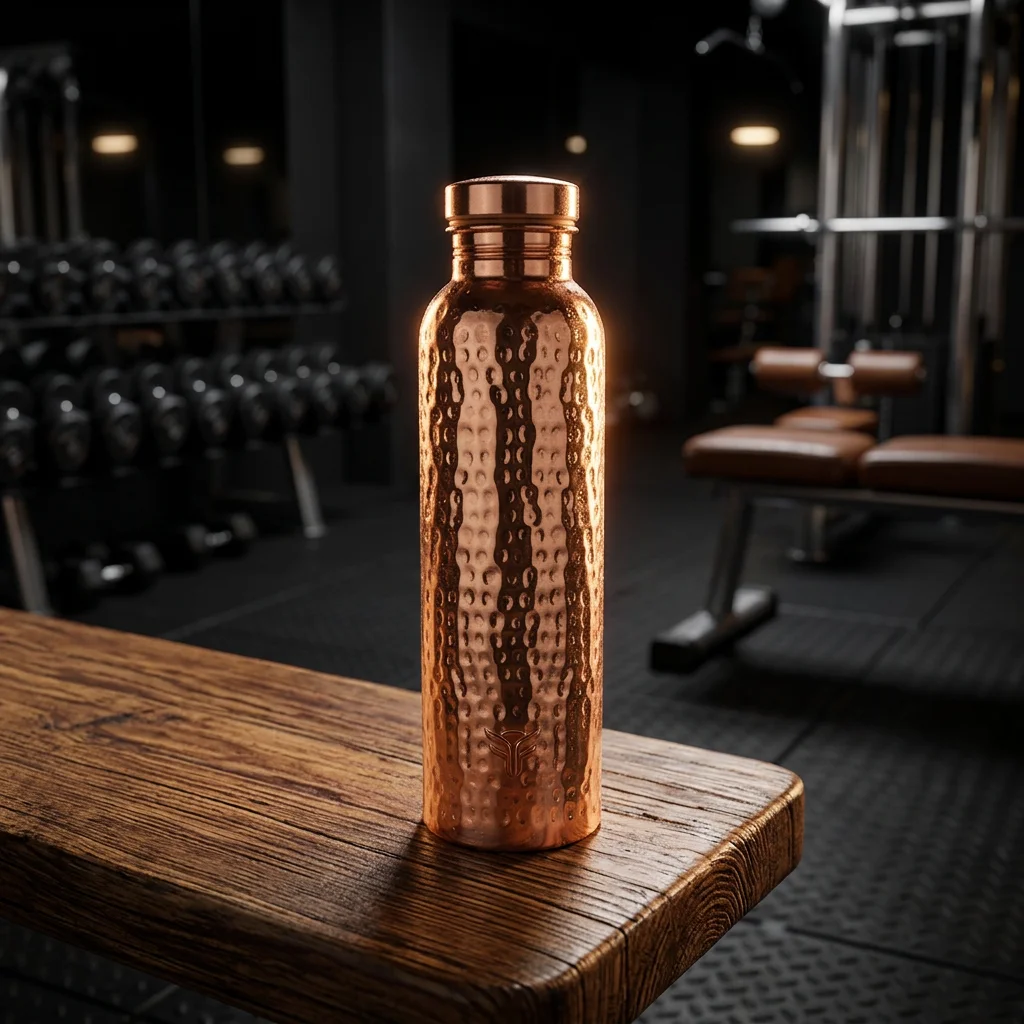
Puura 800 has a hand-hammered copper finish and a body with no plastic liner, while the cap may contain a seal. That body specification is not a claim about every component. If construction matters to your decision, ask precise questions rather than relying on colour, weight or a broad material slogan.
3. Choose care and performance you can live with
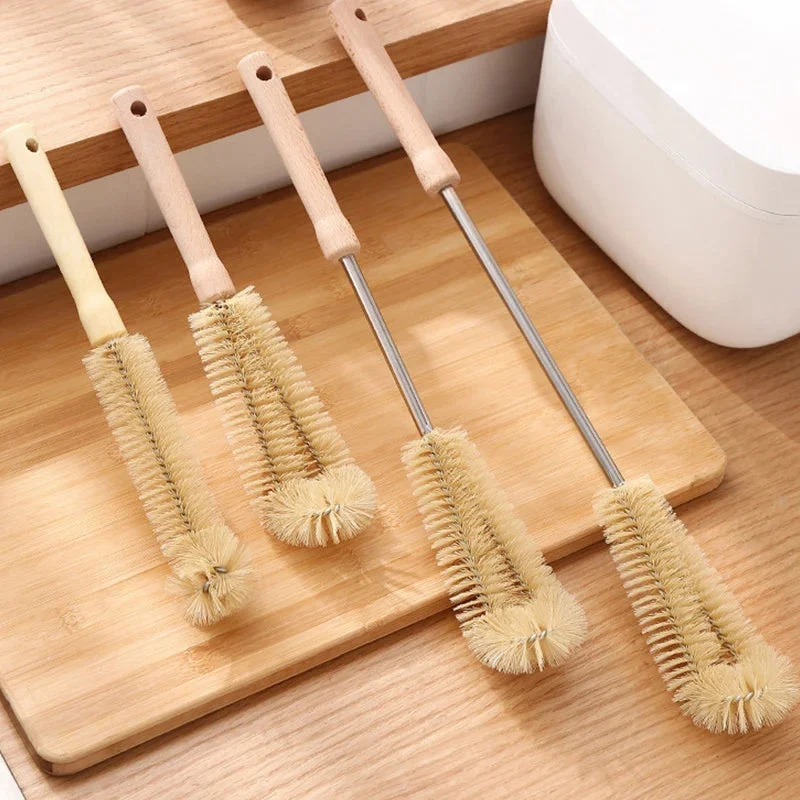
Imagine washing the bottle on an ordinary busy evening. Can your brush reach the base? Are there small pieces you would struggle to handle? Is there somewhere to leave everything open to dry? A cleaning method that looks manageable in theory can become the reason an otherwise good bottle stays in the cupboard. Check the maker’s instructions before buying, especially if your household depends on dishwasher cleaning.
Puura is hand wash only and intended for plain still water. It is not suitable for fizzy drinks, juice, milk or hot drinks. Its changing copper finish also needs to suit your expectations. Ordinary patina is not a manufacturing fault, and polishing is a preference rather than a way to freeze the material’s appearance. A buyer who dislikes surface change may be happier with another finish.
Performance should match the trip. If you want temperature retention, a suitable double-wall vacuum-insulated flask is a better choice than an uninsulated copper bottle. If you mainly carry water between nearby refill points, capacity and comfortable carrying may matter more. Avoid paying for a feature you do not need while overlooking one you will notice every day.
4. Use conditional maths, then protect the investment
At a purchase price of the configured single-bottle price, a bottle used on 100 occasions would have an initial purchase cost of about 45p per use. If it reached 500 uses, that initial cost would be about 9p per use. These are conditional divisions of the purchase price, not a lifespan prediction, a saving claim or an estimate of the total cost of ownership. Cleaning, water, replacement parts and delivery may add costs.
Money is only saved against purchases that genuinely stop. If you already refill a working bottle, buying another does not create bottled-water savings. If a refill replaces a shop purchase, use your own price and realistic frequency when comparing costs. Do not count drinks you would never have bought or assume that every day will unfold as planned.
Finally, make keeping the bottle easy. Give it a regular place at home, avoid loose contact with heavy objects in a bag and inspect the cap before travel. Wash it according to its instructions and dry it before storage. None of this guarantees lifelong service, but it addresses avoidable reasons for early replacement more directly than collecting several supposedly permanent bottles.
Frequently asked questions
Does buy it for life mean the bottle cannot break?
No. It describes an approach to choosing and maintaining an object, not protection against loss, damage or component wear. Prioritise suitable construction, manageable cleaning and clear support over an absolute lifespan claim.
Should I replace a working bottle with copper?
Not simply to follow a longevity trend. Keep using a suitable bottle that works. Consider a replacement when there is a genuine unmet need, then compare copper with other materials and constructions against that need.
