The planned launch and the nations taking part
The UK deposit return scheme 2027 is best understood as a specific set of planned arrangements, not a blanket rule for every drink sold throughout the UK. The government’s published policy statement schedules a launch in October 2027 for England, Scotland and Northern Ireland. Wales is pursuing separate arrangements. If you live near a national border or regularly travel between nations, check the applicable guidance rather than assuming every container will have identical return arrangements.
The basic principle is a refundable deposit on eligible single-use drinks containers. A deposit adds a return incentive to the purchase and disposal process; it does not turn the container into a refillable product. The policy statement is the starting point for understanding the scheme, while detailed consumer instructions should be checked as launch approaches. Keep that distinction in mind when reading predictions about how a return will work at a particular shop. A policy commitment establishes the overall framework, but it is not a substitute for the final instructions on an individual return point.
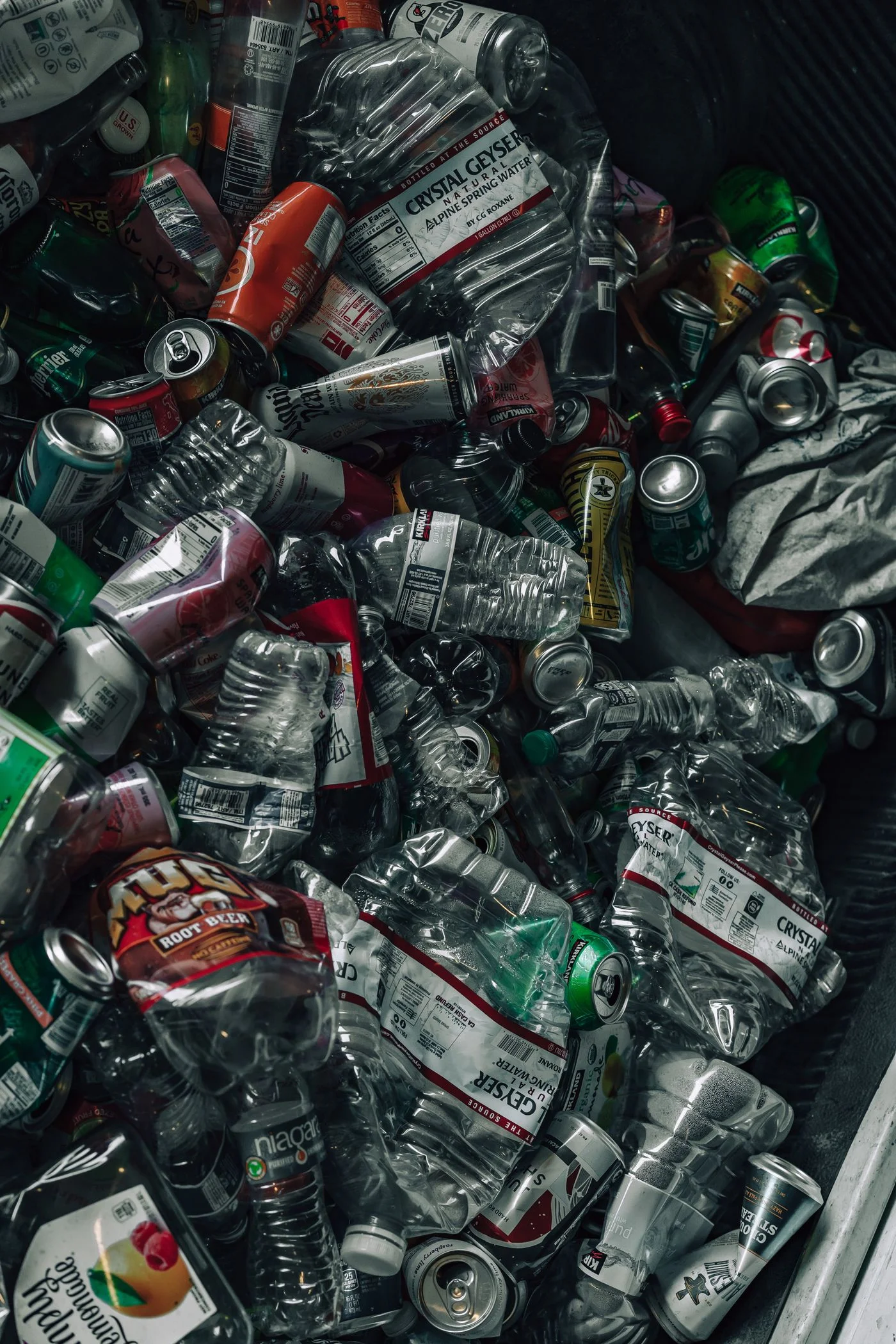
Defra estimated that 6.5 billion single-use drinks bottles and cans go to waste each year across England, Scotland and Northern Ireland instead of being recycled: over 17 million a day. A deposit return scheme is scheduled to start in October 2027.
This includes cans as well as bottles; it is not a count of plastic water bottles alone.
“The UK deposit return scheme 2027 is best understood as a specific set of planned arrangements, not a blanket rule for every drink sold throughout the UK.”
Which drinks containers are in scope
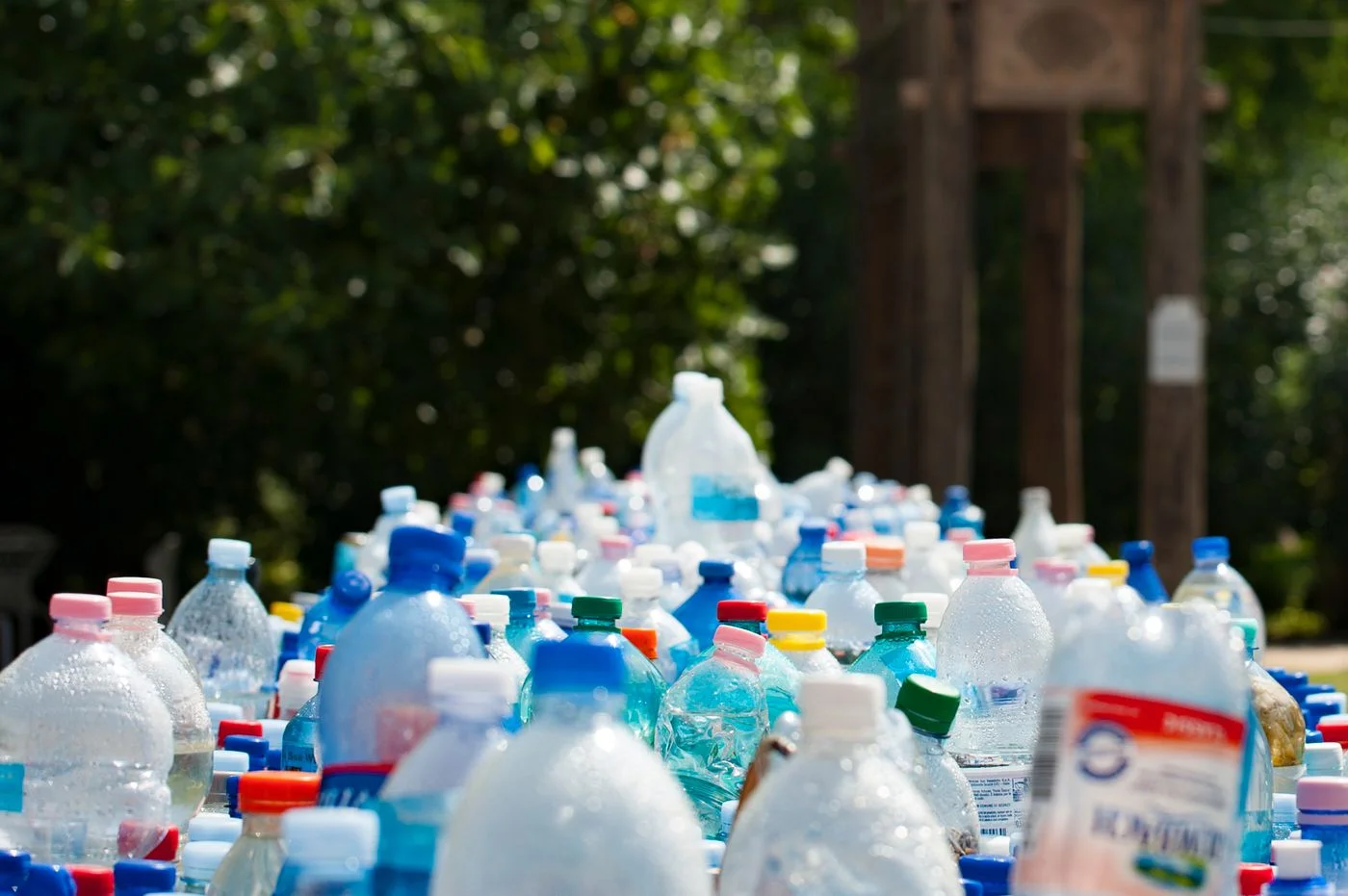
The published policy covers drinks containers made from polyethylene terephthalate, usually called PET, steel and aluminium, with capacities from 150 millilitres to 3 litres. Both material and size matter. The word plastic is too broad on its own, and being a drinks container does not automatically establish eligibility. Glass is not included in the material scope described by this policy for England, Scotland and Northern Ireland.
When the scheme begins, use its current identification guidance rather than trying to decide eligibility from colour, shape or a recycling symbol alone. A container bought before launch, a package brought from elsewhere or an unfamiliar format may need closer checking. Do not assume all packaging in your kitchen becomes returnable. Keep separate instructions for household recycling and deposit returns so that excluded containers still go through the appropriate disposal route. If a return point rejects an item, consult the stated eligibility rules before concluding that the material itself cannot be recycled. Deposit eligibility and general recyclability are not the same test.
How to think about deposits and refunds
A refundable deposit is money linked to returning an eligible container under the scheme’s rules. It should therefore be considered separately from the underlying price of the drink when planning a household budget. This guide does not quote a deposit amount: the policy statement linked here should not be used to invent one. Check official consumer information for the applicable amount and refund arrangements before relying on a calculation.
Likewise, do not assume a particular payment method, receipt requirement or return location until the relevant instructions confirm it. Look for clear answers about identifying eligible containers, preparing them for return and receiving the refund. A shop selling drinks is not, by itself, evidence that every container can be returned there in every condition. Save the official guidance on your phone once practical arrangements are published. If you are helping someone else use the scheme, explain the return steps as well as the deposit charge. Understanding what happens after purchase is more useful than remembering a headline about money back.
Preparing your household without stockpiling
There is no reason to build a collection of old containers on the assumption that they will qualify later. Continue following current council guidance until the scheme’s instructions apply. Closer to launch, identify a convenient return point and decide where eligible empties can wait between trips. A washable container or a clearly labelled space can help keep them distinct from ordinary recycling, particularly in a shared kitchen.
Read the preparation rules before changing the shape of a container or separating its components. Do not automatically carry over habits from kerbside recycling: a return system may have its own identification requirements. For outings, think through who will keep the empty container and claim the refund rather than leaving that decision until everyone is getting off a train. For shared purchases, agree whether refunds go into a household pot or back to the buyer. These are small organisational choices, but they make a new collection routine easier to follow without needing a complicated tracking system or a special shopping trip.
Deposit returns and refilling serve different routines
The scheme addresses what happens to eligible single-use drinks containers after use. A reusable bottle addresses carrying a drink in a container intended to be used again. You can do both: refill when it fits your day and return eligible packaging when you buy a packaged drink. There is no need to present these choices as opposing identities, or to abandon correct recycling because you usually carry your own bottle.
This guide makes no comparative lifecycle claim between a reusable copper bottle and a container collected through deposit return. Manufacturing, transport, washing, use and end-of-life assumptions would all need proper definition for that comparison. Instead, choose a routine you can actually maintain. Check local water guidance when refilling, keep your bottle clean and follow its intended use. Puura is for plain still water and hand washing, and Puura makes no health claims. Its body with no plastic liner should not be described as proof that the entire cap has no other components. A practical purchasing decision starts with those specific details, not a broad promise about environmental or personal outcomes.
Frequently asked questions
Does the October 2027 scheme cover the whole UK?
The linked policy covers England, Scotland and Northern Ireland. Wales is developing separate arrangements. Check the guidance for the nation where you are buying or returning a container rather than assuming identical rules across the UK.
How much will the deposit be?
No deposit amount is quoted here. Consult official scheme information for the confirmed amount and refund process. Do not build a savings calculation around an assumed charge.
Will my reusable copper bottle qualify for a refund?
No. The policy describes eligible single-use drinks containers made from PET, steel or aluminium within its stated size range. A reusable copper water bottle is not part of that scope.
